

You’re not just getting a driveway. You’re getting a surface that drains properly during those heavy Carolina storms, holds up through freeze-thaw cycles, and doesn’t crack or settle in two years because someone skipped the base work.
When concrete driveway contractors in Ballantyne do the job correctly, you notice it every time you pull in. No puddles pooling near your garage. No uneven sections that make you wince. Just a clean, level surface that complements your home and handles daily use without falling apart.
The difference comes down to preparation and materials. High-quality pavers installed over a properly compacted base last decades, not years. That’s what matters when you’re looking at homes in Ballantyne where property values reflect quality, and shortcuts show up fast.
Union Landscaping and Hardscape S Corp is a family-owned company based in Monroe, serving Ballantyne and the surrounding areas. We’ve installed driveways throughout this region long enough to understand what North Carolina soil does, how drainage needs to be handled here, and what materials hold up in our specific climate.
Ballantyne homeowners deal with unique challenges. The clay-heavy soil, the afternoon thunderstorms that dump inches in an hour, the temperature swings that crack poorly installed concrete. We account for all of it before we dig the first shovel.
You’re working with people who live here, source materials locally, and have to drive past our work every day. That keeps us honest and keeps our standards high.

First, we assess your property’s drainage and soil conditions. In Ballantyne, that means looking at slope, where water naturally flows, and whether we need to add French drains or adjust grading. This step determines whether your driveway lasts five years or fifty.
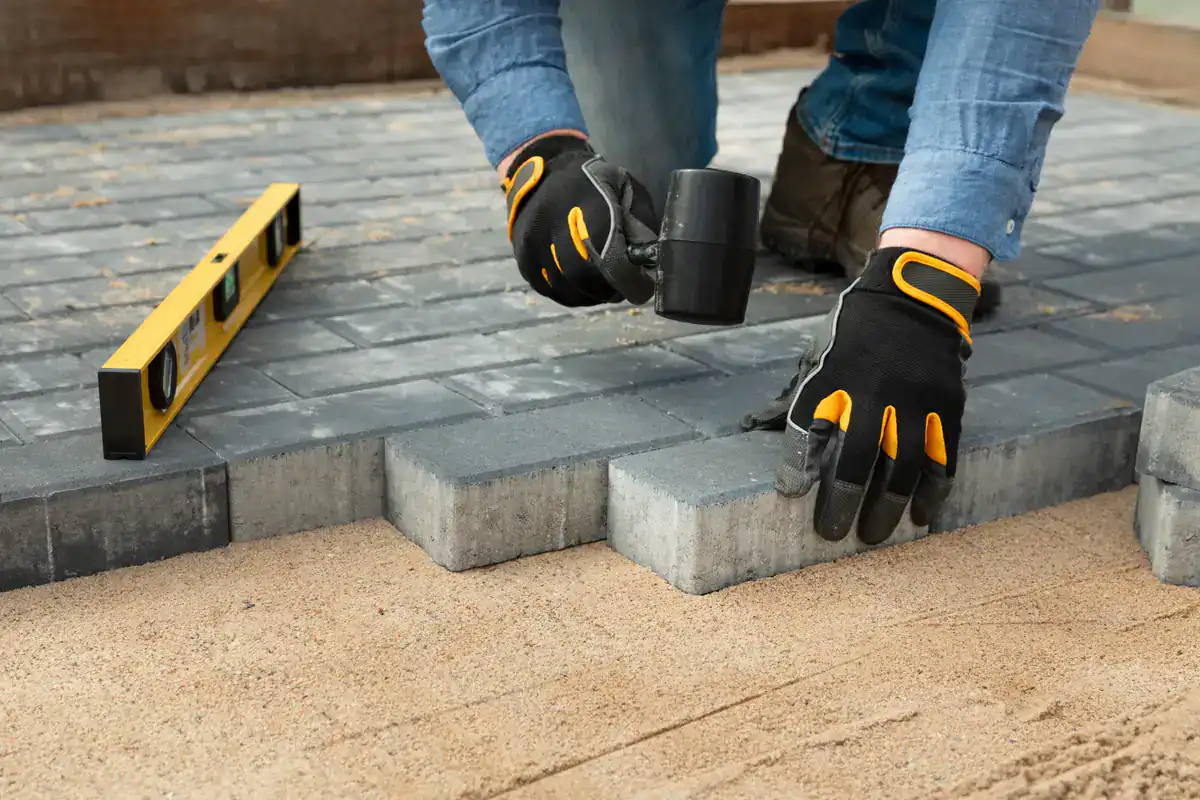
Next comes excavation and base preparation. We dig to the right depth based on your soil type, lay the proper aggregate, and compact it in layers. This isn’t the exciting part, but it’s the part that matters most. A solid base prevents settling, shifting, and all the problems that show up later.
Then we install your chosen material—whether that’s brick pavers, natural stone, or interlocking concrete pavers. We set edge restraints, lay pavers to your design specs, apply joint sand, and do a final compaction. Most residential driveway installation projects in Ballantyne take three to five days from start to finish.
You can typically drive on it within 24 hours, though we recommend waiting a few days for everything to fully set.

Ready to get started?
You get a full site assessment that accounts for Ballantyne’s specific conditions—soil type, drainage patterns, and climate factors. We’re looking at how water moves across your property during those heavy summer storms and where it needs to go.
Material selection matters more than most people realize. We work with brick pavers, natural stone, and interlocking concrete pavers that handle North Carolina’s freeze-thaw cycles. These aren’t the cheapest options, but they’re the ones that don’t crack or need replacement in a few years.
Proper installation includes excavation to the correct depth, a compacted aggregate base, edge restraints that keep everything in place, and joint sand that locks pavers together. When one section eventually needs attention—maybe a tree root pushes up a corner—you replace just that area. Try doing that with a concrete slab.
Ballantyne homes often feature long paved driveways that need to handle daily traffic while complementing properties valued well into seven figures. That requires both durability and design, not one or the other.
A properly installed paver driveway in Ballantyne typically lasts 25 to 50 years. That’s not marketing speak—that’s what happens when the base is done right and quality materials are used.
The longevity depends almost entirely on installation quality. If the base isn’t compacted properly or drainage isn’t addressed, you’ll see problems within a few years regardless of paver quality. North Carolina’s clay soil and weather patterns are unforgiving when shortcuts are taken.
Concrete driveways, by comparison, often start cracking within 10 to 15 years. Asphalt needs resurfacing every 15 to 20 years. Pavers handle our climate better because they flex slightly with ground movement instead of cracking, and individual pavers can be replaced if needed without tearing up the entire surface.
Paver installation typically costs 20 to 40 percent more upfront than poured concrete. That’s because there’s more labor involved, materials cost more, and the installation process takes longer.
But here’s what you’re actually paying for: a driveway that lasts twice as long, doesn’t develop those spiderweb cracks that concrete always gets, and can be repaired in sections instead of requiring full replacement. When you factor in long-term costs, pavers usually come out ahead.
Ballantyne homeowners also see better returns on property value. Quality hardscaping pays for itself when you sell, and it improves curb appeal while you’re living there. A cracked concrete driveway on a $900,000 home stands out for all the wrong reasons.
Proper drainage in Ballantyne starts with grading the driveway to direct water away from your home and garage. We typically slope driveways at about two percent—enough to move water without being noticeable when you’re driving on it.
For properties with challenging drainage, we install French drains along the driveway edges or at low points where water collects. These subsurface drains capture water before it can pool or seep under your driveway base, which is what causes settling and failure.
The afternoon thunderstorms here can dump serious rainfall in a short time. If your driveway doesn’t handle that water correctly, you’ll see puddles, erosion, and eventually structural problems. This is one area where cutting corners costs you exponentially more later.
Asphalt is cheaper upfront and installs faster. Pavers cost more initially but last longer and offer more design options. The right choice depends on your budget, how long you plan to stay in your home, and what you want your property to look like.
Asphalt works fine for basic driveways where appearance isn’t a priority. It needs seal coating every few years and eventual resurfacing, but it’s functional and affordable. For Ballantyne homes where curb appeal matters and property values are high, asphalt often looks out of place.
Pavers give you design flexibility—different colors, patterns, and materials that can match your home’s style. They also handle repairs better. When asphalt fails, you’re patching or resurfacing large sections. When a paver cracks, you pop it out and replace just that one piece.
Look for contractors who talk about base preparation and drainage before they talk about materials or price. Those are the two things that determine whether your driveway lasts or fails, and they’re the two things inexperienced contractors skip or rush.
Ask how they handle North Carolina’s soil conditions specifically. Clay soil requires different preparation than sandy soil. Ask about their compaction process, what aggregate they use, and how they manage water. If they can’t answer those questions in detail, keep looking.
Check how long they’ve been working in this area. Ballantyne has specific challenges—soil composition, drainage patterns, local building considerations. A company that’s been installing driveways here for years knows what works and what doesn’t. That local knowledge matters more than most people realize.
Yes. Pavers offer significantly more design flexibility than concrete or asphalt. You can choose from brick pavers, natural stone, or interlocking concrete pavers in various colors and textures. You can create patterns, borders, or custom layouts that complement your home’s architecture.
For Ballantyne homes with Colonial-style architecture or brick exteriors, matching or coordinating your driveway material creates a cohesive look. Natural stone works well with more contemporary designs. Concrete pavers offer the most color and pattern options at a mid-range price point.
The design process starts with understanding your home’s style, your functional needs, and your budget. We can show you material samples and layout options that work with your specific property. Customization doesn’t always mean higher cost—it means making intentional choices about materials and patterns instead of just accepting whatever’s standard.
Other Services we provide in Ballantyne