Summary:
Sustainable Landscaping Takes Center Stage in 2026
Sustainability isn’t just a buzzword anymore—it’s become the foundation of smart landscaping design. Homeowners across Mecklenburg County, NC are discovering that eco-friendly landscaping actually saves money while creating more resilient outdoor spaces.
The shift toward sustainable practices means choosing plants that work with your local environment rather than fighting against it. Native North Carolina species require less water, fewer fertilizers, and minimal maintenance once established. This approach reduces your environmental impact while creating landscapes that thrive naturally in our climate.

Native Plants Transform North Carolina Landscapes
North Carolina’s native plants offer extraordinary benefits that non-native species simply can’t match. These plants have evolved over thousands of years to thrive in our specific soil conditions, weather patterns, and seasonal changes. When you choose natives, you’re investing in plants that already know how to succeed here.
Consider plants like Carolina Jessamine, which produces fragrant white flowers while climbing up to 20 feet. Eastern Redbud trees provide stunning spring blooms and heart-shaped leaves that create natural privacy screens. Blanket flowers offer bright red, orange, and yellow daisy-like blooms that attract pollinators while requiring minimal care.
Native plants also support local wildlife in ways that exotic species cannot. A single native oak tree can support over 500 species of caterpillars, which in turn feed local bird populations. When you plant natives, you’re creating a mini-ecosystem that supports butterflies, bees, and birds while requiring less intervention from you.
The practical benefits extend to your wallet too. Native plants typically need 50% less water than non-native alternatives once established. They resist local pests and diseases naturally, reducing the need for chemical treatments. Most importantly for busy homeowners, they require significantly less maintenance while providing year-round interest through seasonal changes.
Water-Wise Design Strategies for Drought Resilience
Water-wise landscaping has evolved far beyond simply installing drought-tolerant plants. Today’s approach combines smart plant selection with innovative irrigation technology and strategic design elements that maximize every drop of water while creating stunning visual impact.
Modern drought-tolerant gardens layer different plant textures and heights to create depth and interest. Ornamental grasses like native sedges provide movement and structure, while groundcovers such as wild ginger create lush carpets in shaded areas. These combinations prove that water-wise doesn’t mean sacrificing beauty.
Smart irrigation systems represent a game-changing advancement for 2026. Weather-based controllers automatically adjust watering schedules based on rainfall, temperature, and humidity. Drip irrigation delivers water directly to plant roots, reducing waste by up to 50% compared to traditional sprinklers. Soil moisture sensors ensure plants receive exactly what they need, when they need it.
Rain gardens offer another powerful water management strategy. These designed depressions capture and filter stormwater runoff from roofs and driveways, preventing erosion while supporting native wetland plants. They’re particularly valuable in areas with clay soil, where water tends to run off rather than soak in.
Mulching strategies also play a crucial role in water conservation. Organic mulches like shredded hardwood or pine straw retain soil moisture while suppressing weeds and improving soil structure as they decompose. Proper mulching can reduce watering needs by up to 25% while creating a clean, finished appearance.
Want live answers?
Connect with a Union Landscaping and Hardscape expert for fast, friendly support.
Outdoor Living Spaces Redefine Modern Landscaping
The line between indoor and outdoor living continues to blur as homeowners create sophisticated exterior spaces that function as true extensions of their homes. These aren’t just patios with furniture—they’re carefully designed outdoor rooms with specific purposes and year-round functionality.
Today’s outdoor living spaces incorporate multiple zones for different activities. You might have a cooking area with a built-in grill and prep surfaces, a dining zone with weather-resistant furniture, and a relaxation area centered around a fire feature. Each zone flows seamlessly into the next while maintaining its distinct character.
Multi-Functional Outdoor Rooms for Year-Round Use
The most successful outdoor living spaces work throughout the seasons, not just during perfect weather. This requires thoughtful planning that considers North Carolina’s varied climate, from hot summers to occasional winter freezes.
Covered structures like pergolas and pavilions provide essential protection from both sun and rain. Modern designs incorporate retractable canopies or louvered roofs that adapt to changing conditions. These features extend the usable season while creating defined spaces that feel intentional rather than afterthoughts.
Heating elements make outdoor spaces comfortable during cooler months. Fire pits and outdoor fireplaces create natural gathering spots while providing warmth. Modern gas fire features offer convenience and consistent heat output, while wood-burning options provide the authentic experience many homeowners crave.
Outdoor kitchens have evolved beyond basic grills to include full cooking capabilities. Built-in appliances, storage, and prep areas allow serious outdoor cooking while keeping the chef connected to guests. Weather-resistant materials like stainless steel and natural stone ensure these investments last for decades.
Lighting design transforms outdoor spaces after dark. Low-voltage LED systems provide energy-efficient illumination that highlights architectural features and creates ambiance. Path lighting ensures safe navigation, while accent lighting showcases specimen plants or water features. Smart controls allow you to adjust lighting scenes for different activities and moods.
Wellness-Focused Garden Design for Mental Health
The pandemic fundamentally changed how we view outdoor spaces, elevating them from purely aesthetic features to essential wellness environments. Modern landscaping design now prioritizes sensory experiences and mental health benefits alongside visual appeal.
Meditation gardens create dedicated spaces for quiet reflection and stress relief. These areas typically feature comfortable seating surrounded by plants chosen for their calming qualities. Lavender, rosemary, and other aromatic herbs provide natural aromatherapy, while the sound of rustling grasses or flowing water masks urban noise.
Sensory gardens engage all five senses through careful plant selection and design elements. Textural contrasts between smooth river stones and soft lamb’s ear leaves invite touch. Fragrant plants like jasmine and honeysuckle provide natural perfume. Edible plants allow you to literally taste your garden’s bounty.
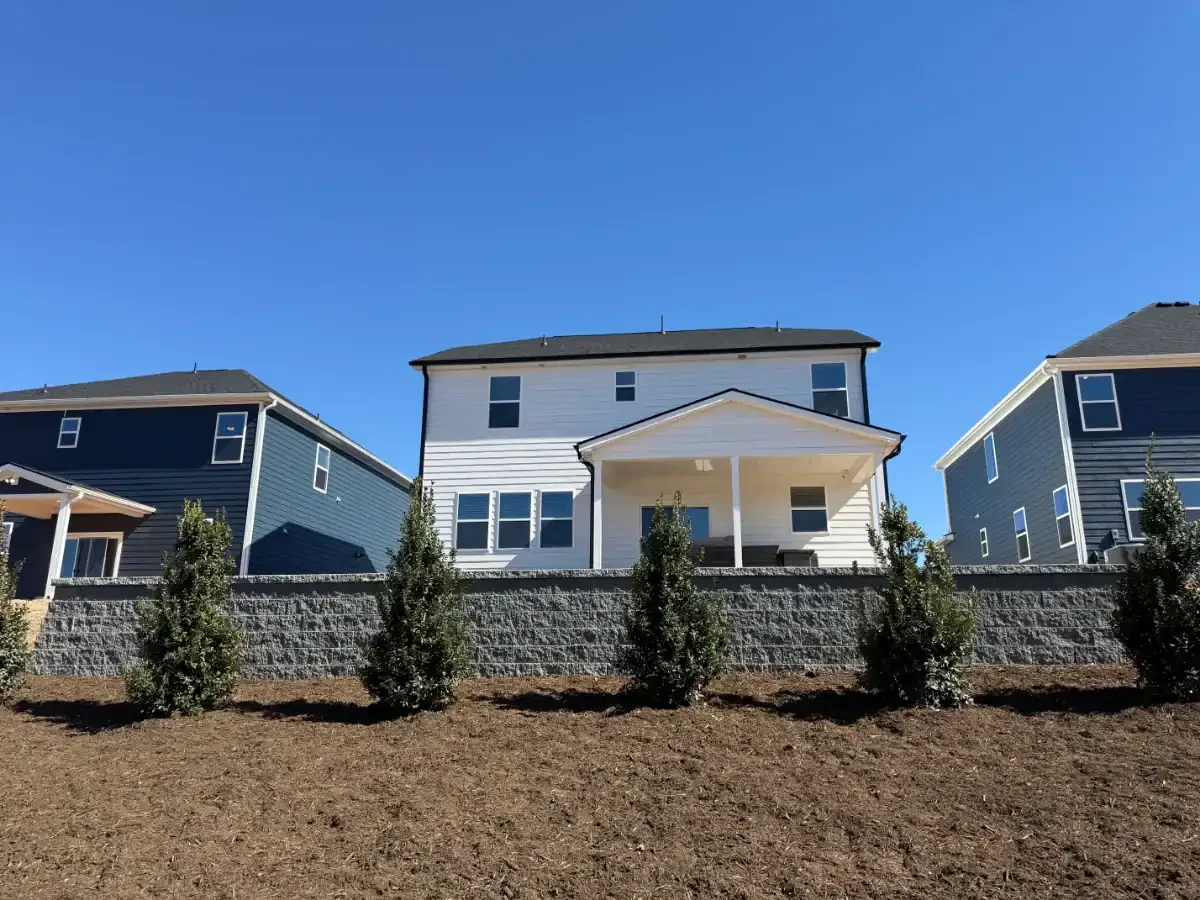
Privacy becomes crucial for creating true sanctuary spaces. Strategic plantings of evergreen shrubs or ornamental trees screen unwanted views while creating intimate enclosures. Living walls or vertical gardens maximize privacy in smaller spaces while adding dramatic visual impact.
Movement and exercise integration reflects growing awareness of outdoor fitness benefits. Yoga platforms, walking paths, and open lawn areas for activities become integral design elements rather than afterthoughts. These features encourage daily outdoor engagement while supporting physical wellness goals.
The biophilic design principles that guide wellness-focused landscapes recognize humans’ innate connection to nature. Curved pathways mimic natural patterns, while varied plant heights and textures create visual complexity that engages the mind. Natural materials like stone and wood reinforce the connection to the earth.
Planning Your 2026 Landscape Transformation
These landscaping trends represent more than passing fads—they reflect fundamental shifts toward sustainability, wellness, and outdoor living that will define landscape design for years to come. Whether you’re drawn to native plant gardens, sophisticated outdoor rooms, or water-wise design strategies, the key is choosing approaches that align with your lifestyle and North Carolina’s unique growing conditions.
The most successful landscape transformations start with understanding your specific site conditions, from soil type to sun exposure patterns. Professional guidance ensures your investment delivers both immediate beauty and long-term performance while supporting local ecosystems.
When you’re ready to bring these 2026 trends to your property, we at Union Landscaping and Hardscape offer the expertise and local knowledge to create outdoor spaces that exceed your expectations while thriving in our Mecklenburg County climate.