Summary:
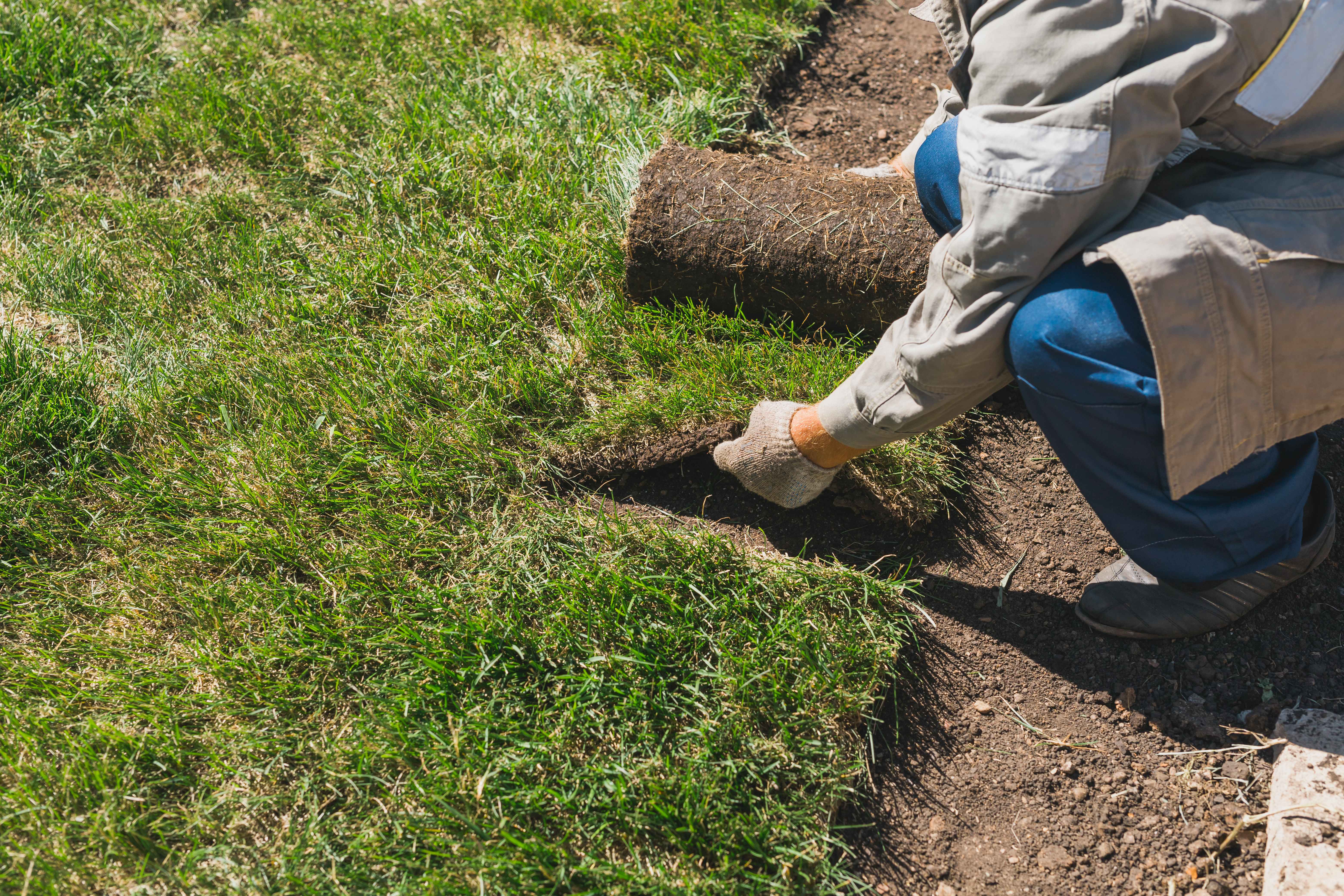
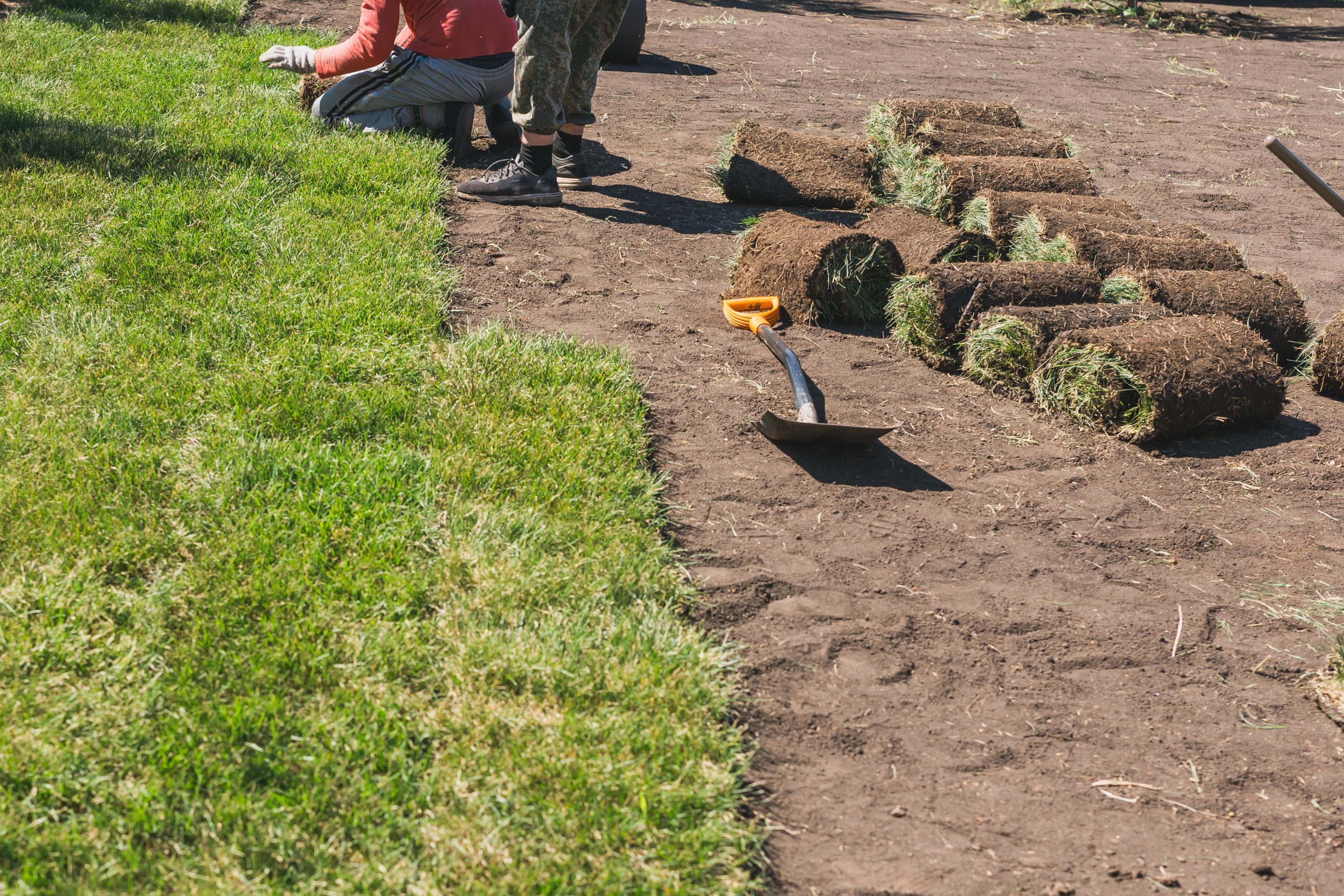
You searched “cost to sod a yard” because you want a real number — not a range so wide it’s useless. The problem is, most cost guides are written for a national audience, and Mecklenburg County isn’t a national market. It’s red clay soil, humid summers, and a transition zone climate that narrows down which grasses actually survive here. What you pay depends heavily on factors that most contractors don’t explain upfront. This page lays out what sod installation actually costs in Mecklenburg County, what drives the price up or down, and what to look for — and look out for — when you start getting quotes.
Average Cost of Sod Installed in Mecklenburg County
In the Charlotte metro area, most homeowners pay somewhere between $1,503 and $4,305 for a professional sod installation, with the average landing around $2,904 according to Angi’s Charlotte-specific data. That’s notably higher than the national average, which reflects the Mecklenburg County market’s labor costs and the demand that comes with one of the fastest-growing metros in the country.
For Mecklenburg County specifically, the installed sod installation price typically runs $1.55 to $3.10 per square foot when you factor in materials, labor, and standard site preparation. That range isn’t vague — it’s real, and the gap between the low end and the high end comes down to a handful of variables that most quotes don’t itemize. Grass type alone accounts for 30 to 50 percent of total cost variance on a given project.

Average Sod Cost Per Square Foot by Grass Type in North Carolina
Sod material in North Carolina averages $0.45 to $0.56 per square foot based on 2023 data from the Sod Producers Report — but that number shifts significantly depending on which grass you choose, and choosing wrong in Mecklenburg County’s climate is an expensive mistake.
Bermuda grass is the most common and most affordable warm-season option in this market, running $0.40 to $0.85 per square foot for materials. It handles Mecklenburg County’s summer heat well, spreads aggressively once established, and holds up under foot traffic. The downside is that it goes dormant and turns brown in winter, which bothers some homeowners more than others. If you have a full-sun front yard and want a tough, low-cost lawn that bounces back every spring, Bermuda is usually the right call.
Zoysia runs slightly higher — $0.50 to $0.85 per square foot for materials, and more for premium varieties like Emerald or Zoysia Empire. It grows slower than Bermuda, which means less mowing, and it produces a dense, carpet-like surface that looks sharp in higher-end neighborhoods. It handles some shade better than Bermuda, though it’s not a true shade grass. Zoysia is increasingly popular in the Waxhaw and Weddington corridors for exactly that reason.
Tall Fescue is the go-to for shaded backyards and yards with significant tree canopy — common in established Mecklenburg County neighborhoods. It’s a cool-season grass, which means it stays green through winter but needs more water in the summer. If your backyard gets less than four to five hours of direct sun, Fescue is likely your best option. Centipede grass rounds out the warm-season choices — lower maintenance, heat-tolerant, and well-suited to yards that don’t see heavy foot traffic.
On top of material cost, professional labor adds $0.50 to $1.00 per square foot. Once you layer in soil preparation, delivery, and any removal of existing vegetation, the all-in installed number is where that $1.55 to $3.10 per square foot range comes from. A 2,000 square foot yard with standard prep work lands somewhere around $3,100 to $6,200 depending on conditions — and Mecklenburg County’s conditions matter more than most guides acknowledge.
Why Mecklenburg County's Clay Soil Changes the Math on Sod Installation
Here’s what most national cost guides skip entirely: the soil underneath your future lawn is the single biggest variable in whether your sod survives, and in Mecklenburg County, that soil is heavy red clay.
Piedmont clay drains poorly. It compacts easily. It has low organic matter and tends to shed water rather than absorb it, which means newly installed sod sitting on unprepared clay is at serious risk of root failure — especially during Mecklenburg County’s brutal July and August heat. Fixing a failed sod installation costs as much as the original project. This is why proper soil preparation isn’t optional.
Industry best practice calls for tilling the existing soil, amending it with compost or quality topsoil, and grading the surface so water drains away from your home’s foundation. When contractors skip this step — and some do, especially on lower bids — they’re cutting the one cost that protects your investment. Soil amendment and grading typically add $0.25 per square foot to a project, and sod removal if you’re replacing an existing lawn adds another $0.45 to $2.00 per square foot depending on what’s there.
This is especially relevant in Mecklenburg County right now because so much of the new residential construction in this area leaves homeowners with stripped, compacted lots — builder-grade fill where the topsoil used to be. If you moved into a new construction home and you’re staring at bare dirt or patchy builder grass, your sod project is going to require more prep than a standard renovation. That’s not a reason to avoid it — it’s a reason to make sure whoever you hire actually addresses it in the estimate rather than glossing over it.
Want live answers?
Connect with a Union Landscaping and Hardscape expert for fast, friendly support.
What a Good Sod Installation Quote Actually Looks Like
Getting a sod installation quote in Mecklenburg County should feel like getting a clear answer, not a number you have to reverse-engineer. A well-structured estimate breaks the project into line items: sod material, labor, soil preparation, old lawn removal if needed, delivery, and grading. When those costs are separate, you can compare quotes from different contractors on equal footing.
When a quote is just one number with no explanation, you don’t actually know what’s included. You find out later — usually after the job starts — that soil prep wasn’t in the price, or that the quote assumed you’d handle your own watering setup. That’s where the surprise charges come from, and it’s the most common complaint homeowners have after a sod project goes sideways.

What to Ask Before You Hire a Sod Installer in Mecklenburg County
Before you sign anything, there are a few questions worth asking any contractor you’re considering. The answers will tell you quickly whether you’re dealing with someone who knows this market or someone who’s going to hand you a bill and disappear.
Ask whether they’ll be removing your existing grass or vegetation before installation, and whether that cost is included in the estimate. Ask how they plan to handle soil preparation — specifically whether they’ll be tilling and amending the soil or laying sod directly on whatever’s there. Ask what grass type they’re recommending and why, based on your yard’s sun exposure and how you use the space. A contractor who gives you a confident, specific answer to that last question is one who’s actually thought about your yard. One who says “whatever you want” probably hasn’t.
Ask whether they’re licensed and insured. In North Carolina, landscape contractors working above a certain project threshold are required to hold a license through the NC Landscape Contractors’ Licensing Board. It’s a reasonable thing to verify before you hand over a deposit.
Also worth asking: what does the first 30 days look like? Newly installed sod needs consistent watering for the first two to three weeks and shouldn’t be walked on during establishment. A contractor who walks you through that process — watering schedule, first mow timing, what to watch for — is invested in the outcome. One who doesn’t mention it at all may not be.
For Mecklenburg County homeowners specifically, sod installation generally does not require a permit unless the project involves significant regrading, excavation, or irrigation system installation. If your project includes drainage work or a new irrigation setup, it’s worth checking with Mecklenburg County code enforcement before work begins.
When Is the Right Time to Lay Sod in Mecklenburg County, NC?
Timing matters more than most homeowners realize, and in Mecklenburg County’s climate, getting it wrong can cost you the whole project.
For warm-season grasses — Bermuda, Zoysia, and Centipede — the installation window runs from late spring through early summer, typically May through July, when soil temperatures are consistently above 65°F. Roots establish fastest during this window because the grass is actively growing. You can extend that window through September, but the closer you get to fall, the less time the sod has to root before it goes dormant. Installing warm-season sod in late October or November in Mecklenburg County is a gamble that rarely pays off.
Tall Fescue is the opposite. Because it’s a cool-season grass, it establishes best in fall — September through November — when temperatures drop and the grass can root without the stress of summer heat. Early spring works too, though fall installations tend to produce stronger, more resilient lawns going into the following summer.
Mecklenburg County’s humid subtropical climate means summers are genuinely brutal — regularly above 90°F from June through August, with heat index values that push well past 100°F. Newly installed sod during peak summer needs reliable irrigation or a serious manual watering commitment. Two to three deep waterings per day for the first week, tapering to once daily through the establishment period, is the standard guidance. Without it, even properly installed sod on well-prepared soil can fail in the heat.
If you’re planning a sod project in Mecklenburg County and you’re not sure which timing window applies to your yard, that’s a conversation worth having before you book anything. The right answer depends on your grass type, your irrigation situation, and what’s currently on the ground.
Ready to Get a Straight Answer on Sod Costs in Mecklenburg County?
The cost to sod a yard in Mecklenburg County isn’t one number — but it’s not a mystery either. Most projects in this market fall between $1,503 and $4,305 all-in, with the final number shaped by your yard’s size, the grass you choose, what’s currently on the ground, and how much soil preparation the site actually needs. Those variables are real, and any contractor worth hiring should be able to explain them clearly in a written estimate before work begins.
What separates a successful sod installation from an expensive redo is usually what happens before the first piece of sod goes down — the soil prep, the grading, the honest conversation about which grass actually makes sense for your yard. That’s where local knowledge matters, and it’s where a transparent, itemized quote earns its keep.
If you’re ready to get a real number for your project, Union Landscaping and Hardscape S Corp offers free estimates with a callback within 24 to 48 hours. We’re based in Mecklenburg County, we know this soil, and we’ll tell you exactly what your yard needs — and what it’ll cost — before anything starts.