
Summary:
Here’s something most lawn care advice gets wrong: fall isn’t the end of the season. For a lot of Mecklenburg County homeowners, it’s the most important part of it. The work you do — or don’t do — between now and the first frost determines whether your lawn comes back thick and green in March or thin, weedy, and frustrating. If your grass has looked rough the last few springs and you can’t figure out why, there’s a good chance the answer is in what happened the previous October. Let’s fix that.
Lawn Care Service Timing: Why Fall Is the Window That Actually Matters
Most people think of spring as prime lawn season. That’s understandable — it’s when everything starts looking alive again. But spring is largely a reaction to what you did in fall. Aeration, overseeding, pre-emergent timing, fertilization — get these right in the fall and your lawn essentially takes care of itself through the growing season. Miss them, and you spend all of spring and summer playing catch-up.
In Mecklenburg County, the first frost typically lands somewhere between late October and mid-November. That gives you a narrow but meaningful window — roughly September through mid-October — to get the right treatments down before the ground temperature drops and the opportunity closes for the year.
How to Get a Green Lawn in Spring: What You Do Now Makes the Difference
If your lawn is Tall Fescue — the most widely grown cool-season grass in North Carolina — fall is genuinely its most important care window. Fescue doesn’t spread on its own the way Bermuda or Zoysia does. The only way to fill in thin spots, improve density, and restore color after a tough summer is overseeding.
The window for overseeding in the Charlotte and Monroe area is September through mid-October. After that, soil temperatures drop, germination rates fall off sharply, and you’re waiting another full year. Beyond overseeding, Fescue needs fall fertilization to build strong root systems before winter. A well-timed nitrogen application in the fall encourages root growth rather than blade growth, which is exactly what you want heading into the cold. That root strength is what drives a faster, denser green-up come March.
Core aeration is the other piece most homeowners skip. Mecklenburg County’s soil is predominantly red clay — dense, compacted, and slow to drain. When we aerate in fall, we break up that compaction and open channels for nutrients, water, and seed to actually reach the root zone. Without it, even the best fertilizer and seed sit on top of soil that can’t absorb them effectively.
Put it all together — aerate, overseed, fertilize — and you’ve done more for next spring’s lawn in a few fall weekends than most people accomplish in an entire growing season.
Organic Lawn Care Before Winter: What It Means and Why It's Worth Considering
There’s a growing segment of Monroe and Mecklenburg County homeowners who are paying closer attention to what goes on their lawn — especially families with kids and pets spending time outside. Organic lawn care has moved well past the fringe. Organic approaches build healthier soil ecosystems over time, which improves turf resilience naturally rather than relying on repeated chemical inputs to compensate for poor soil health.
In practical terms, organic-compatible fall care might look like compost topdressing after aeration to introduce beneficial microbiology into Mecklenburg County’s clay-heavy soil. It might mean choosing slow-release, plant-based fertilizers that feed the soil rather than forcing a quick flush of growth. It means selecting grass seed varieties and native plants that are adapted to this specific climate and don’t need heavy intervention to survive.
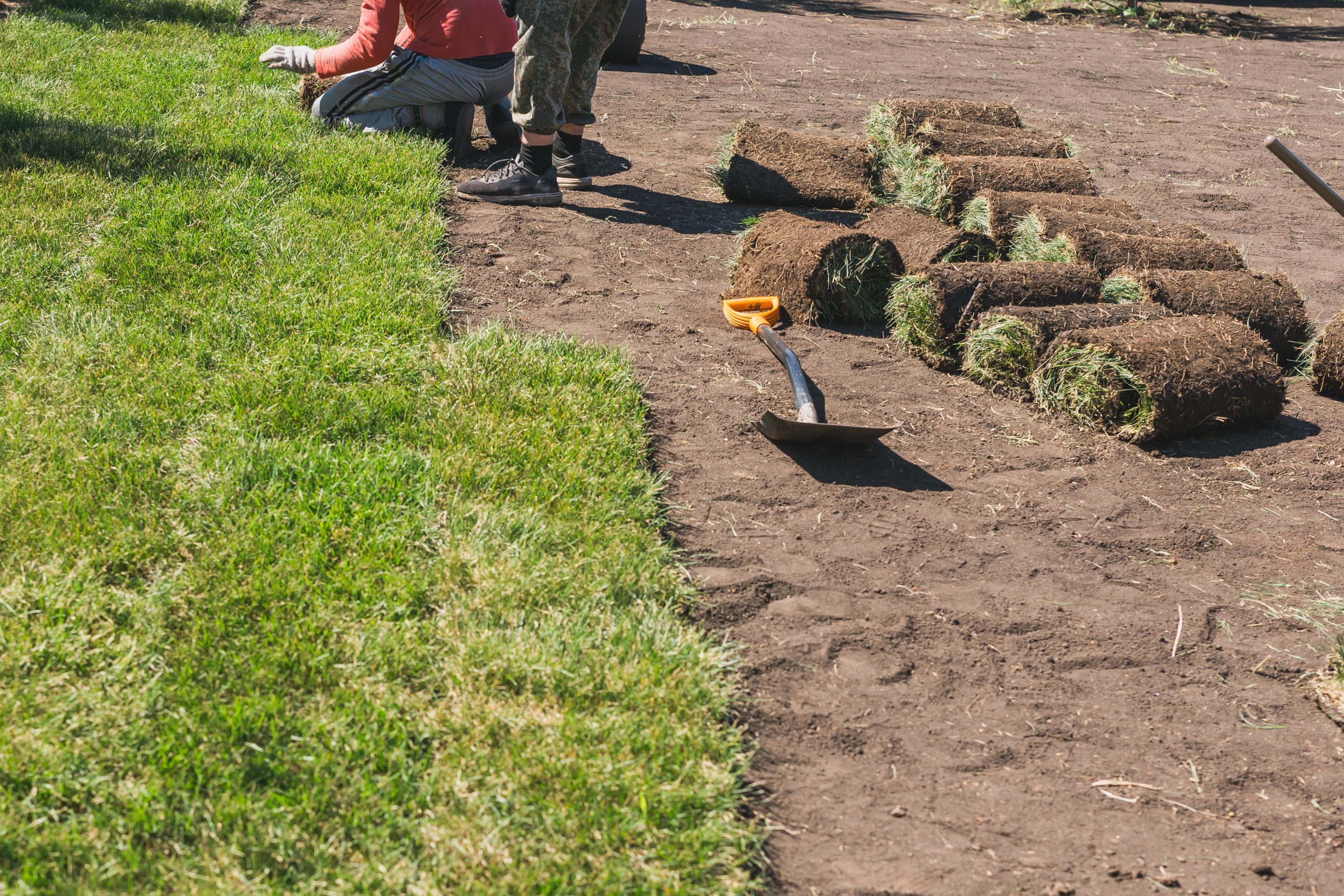
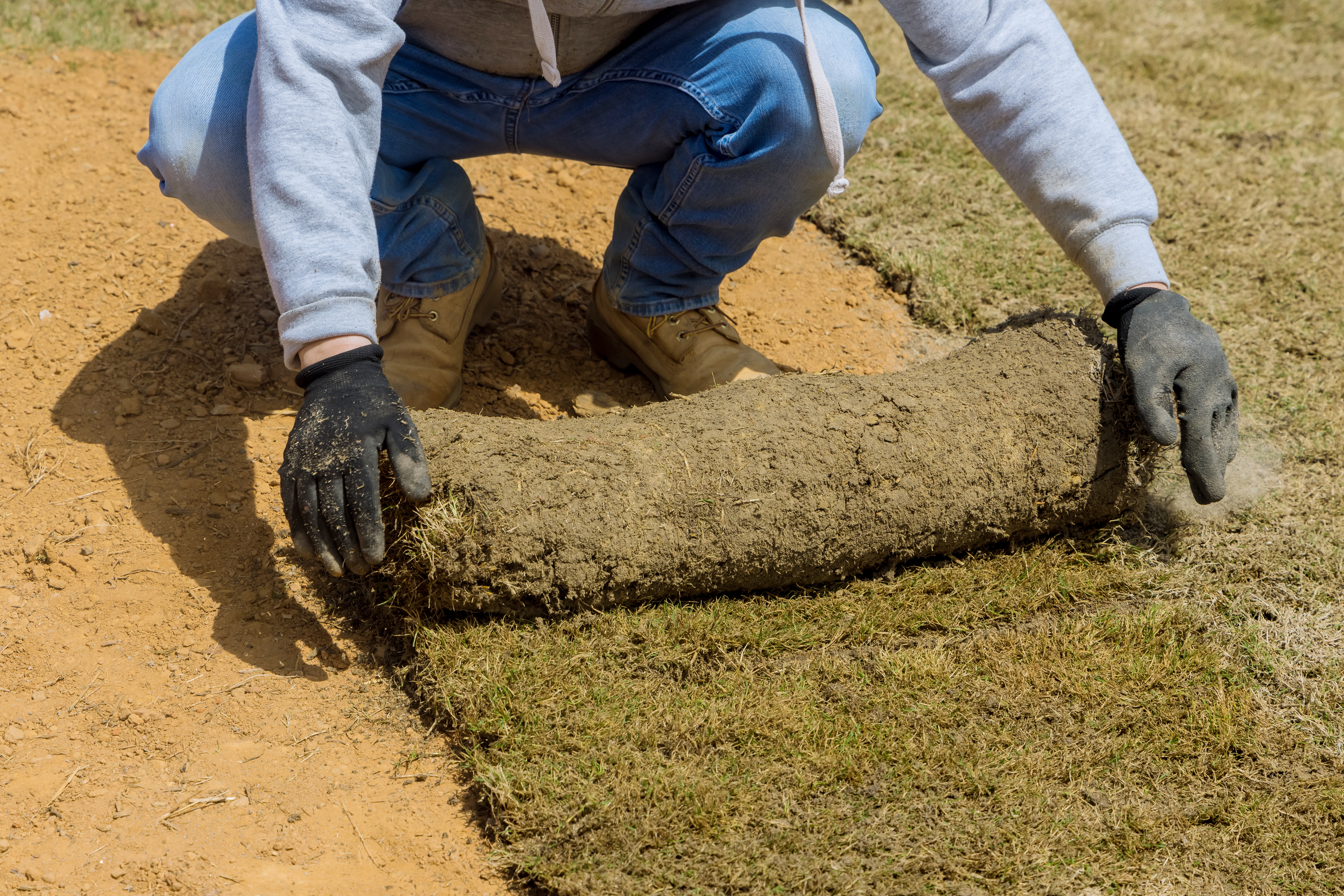
This isn’t about being anti-chemical or ideological. It’s about building a lawn that’s genuinely healthier from the ground up — which, over a few seasons, tends to reduce the amount of intervention it needs at all. For homeowners who’ve invested in sod installation or professional landscaping, an organic-compatible maintenance approach also tends to be gentler on the establishment work already done.
We use sustainable practices in our work — permeable drainage, drip irrigation, native plant selection — and we carry that same thinking into how we approach lawn care. If you’re curious about what an organic-compatible fall care plan would look like for your specific property, that’s exactly the kind of conversation we’re happy to have.
Want live answers?
Connect with a Union Landscaping and Hardscape expert for fast, friendly support.
Grass Care Near Me: Warm-Season Lawns Need Fall Attention Too
If your lawn is Bermuda or Zoysia, the fall care protocol is almost the opposite of Fescue — and getting it wrong can cause real damage. These warm-season grasses go dormant as temperatures drop, which is completely normal. The brown color you see in winter isn’t a sign of a dying lawn. It’s a sign of a healthy one doing exactly what it’s supposed to do.
What isn’t fine is skipping the pre-winter prep that protects that dormant turf. One of the most common mistakes we see is homeowners — or even some lawn care companies — applying nitrogen fertilizer to Bermuda or Zoysia in the fall. In the NC Piedmont, that’s a serious problem. It pushes new growth right before dormancy, which is exactly the growth most vulnerable to winterkill and spring large patch disease.

How to Prepare Bermuda Grass for Winter in Mecklenburg County
Bermuda grass is everywhere in Monroe and the broader Mecklenburg County area — it’s tough, heat-tolerant, and handles foot traffic well. But it needs a specific set of conditions to come through winter cleanly and green up fast in spring.
The most important thing you can do for a Bermuda lawn before winter is get pre-emergent herbicide down at the right time. Poa annua — annual bluegrass — is the weed that colonizes dormant Bermuda lawns over winter, and once it’s established, it’s a persistent problem. The window to prevent it is late August through early October, with a follow-up application about 45 days later. Miss that window and you’ll be dealing with Poa annua all the way through spring.
Mowing height matters too. As Bermuda heads into dormancy, gradually lowering the mowing height helps reduce thatch and prepares the turf for a cleaner transition. Letting it go into winter at full summer height traps moisture and creates conditions where disease and pest pressure can build under the surface.
Leaf management is the other thing people underestimate. A thick layer of leaves sitting on dormant Bermuda through winter blocks light, holds moisture, and creates the kind of environment where fungal problems get started. Keeping the surface clear isn’t about aesthetics — it’s about protecting the crown of the grass.
None of this is complicated, but the timing is specific. Mecklenburg County’s transition zone climate means the windows for these treatments are narrower than they’d be further south. That’s exactly why local knowledge matters more than a generic lawn care schedule.
Zoysia Grass Winter Care: What Monroe Homeowners Often Get Wrong
Zoysia has become increasingly popular in newer Monroe and Mecklenburg County developments — it’s dense, shade-tolerant compared to Bermuda, and forms a tight canopy that naturally crowds out weeds during the growing season. But that density creates its own challenges heading into winter.
Thatch buildup is the main one. Zoysia produces thatch faster than almost any other warm-season grass, and a thick thatch layer going into winter creates the same problem as leaves on Bermuda — it holds moisture, restricts airflow, and creates ideal conditions for large patch fungus, which is the primary disease threat to Zoysia in the NC Piedmont. If your Zoysia lawn has had circular brown patches appear in spring or fall, large patch is almost certainly the culprit, and thatch management is a big part of the solution.
Like Bermuda, Zoysia should not receive nitrogen in the fall. The same winterkill risk applies. What Zoysia does benefit from is a potassium-based application in late summer or early fall — potassium strengthens cell walls and improves cold tolerance, which helps the turf come through winter with less crown damage and a faster spring green-up.
The other thing worth knowing about Zoysia in Mecklenburg County is that it stays dormant longer than Bermuda in spring. It can look brown well into April, even when temperatures are warming. That’s normal — and it’s one of the reasons homeowners sometimes panic and over-treat a lawn that doesn’t need it. Understanding your specific grass type is the foundation of every good lawn care decision, and it’s the first thing we look at before recommending any treatment plan.
Fall Grass Care in Monroe, NC: Don't Let the Window Close
The single most common reason Monroe and Mecklenburg County lawns look disappointing in spring is that nobody did anything for them in October. The good news is that the fix isn’t complicated — it just has to happen at the right time, with the right approach for your specific grass type.
Fescue needs aeration, overseeding, and fall fertilization before mid-October. Bermuda and Zoysia need pre-emergent protection, proper mowing, and leaf management — and they absolutely do not need fall nitrogen. Get these right and your lawn comes back stronger, greener, and less weedy than it’s probably been in years.
If you’re not sure what kind of grass you have, what your lawn actually needs, or whether last year’s care plan was even close to right — that’s exactly what we’re here to help with. Union Landscaping and Hardscape S Corp serves Monroe and the surrounding Mecklenburg County area, and we’re happy to take a look at your property and give you a straight answer before the season closes.