
Summary:
Every fall, homeowners across Mecklenburg County look at their lawn and think the same thing: this is the year I’m finally going to fix it. The problem is, most of them either wait too long or do the right things at the wrong time — and end up no better off by spring.
Lawn care in Mecklenburg County doesn’t follow the same rules you might have grown up with, especially if you moved here from somewhere else. The grass types are different, the summers are brutal, and the window to actually improve your lawn is shorter than most people expect. Here’s what you need to know before the season slips by.
Fall Lawn Maintenance in Mecklenburg County: What the Season Actually Demands
Mecklenburg County sits in what turf specialists call the transition zone — the band of the country where both cool-season and warm-season grasses can survive, but neither is perfectly at home. Tall fescue is the most common grass on residential lawns here, and it has a specific vulnerability: hot, humid summers slowly kill it off year after year.
Without intervention, a fescue lawn gradually thins out, and weeds move in to fill the gaps. That’s why fall lawn maintenance isn’t optional for most Mecklenburg County homeowners — it’s the reset the lawn needs after every summer.
The good news is that fall conditions here are genuinely ideal for grass recovery. Cooler air, more consistent rainfall, and warm soil create exactly the right environment for seed germination and root development.

When to Seed a Lawn in Mecklenburg County — and Why the Window Is Smaller Than You Think
The fall seeding window for fescue in Mecklenburg County runs from September 1 through mid-October. That’s roughly six weeks. September is specifically identified as the best month for tall fescue planting in transition zone states like North Carolina — earlier in that window is always better than later.
Here’s why the timing is so precise. Fescue seed needs at least 45 days before the first fall frost to germinate and put down enough root to survive winter. The germination period alone takes seven to twenty-one days, which means every week you delay cuts into the establishment time your new grass has before temperatures drop. Seed planted in early September has the best shot. Seed planted in late October is gambling.
The other side of the equation is spring. Spring might feel like the natural time to plant — everything else is growing, so why not grass? But spring-seeded fescue in the Mecklenburg County Piedmont walks straight into a trap. Those seedlings get maybe eight to ten weeks to establish before the heat arrives. Young fescue roots simply cannot handle a sustained summer in this region, and most of that seed ends up dead by July.
It’s one of the most common and most expensive mistakes homeowners make here. A lot of people moving into the Charlotte area from the Midwest or Northeast bring lawn care habits that worked fine back home. In Ohio or Pennsylvania, spring seeding is perfectly reasonable. In Mecklenburg County, it sets you up for failure. The climate here is different enough that the rules genuinely change — and understanding that difference is what separates a lawn that thrives from one that gets re-done every couple of years.
Why Your Fescue Lawn Keeps Thinning Out Every Year in Mecklenburg County
If your lawn looks noticeably worse every August, you’re not imagining it. Fescue lawns in Mecklenburg County typically need overseeding every one to three years because of what summer does to them. Sustained heat above 90°F — which this region sees regularly from June through August — stresses fescue plants to the point where some of them simply die.
The ones that survive come out of summer weakened, and the bare patches left behind are exactly where weeds take hold. This is a natural cycle for fescue in the transition zone, not a sign that something is fundamentally wrong with your lawn or your soil. But it does mean that doing nothing in the fall guarantees a worse lawn next year.
Overseeding in September fills those bare patches before weeds can, and it gives the new plants a full fall and winter to establish roots before they face their first summer.
There’s also a compaction issue that makes everything harder. The red clay soil that dominates the Piedmont — including most of Mecklenburg County — compacts easily, especially in high-traffic areas. Compacted soil reduces water infiltration, limits root depth, and makes it significantly harder for seed to make good contact with the soil.
Aerating before you overseed solves this. The plugs pulled out of the ground during aeration create small pockets where seed can settle, stay moist, and germinate without sitting on top of a hard, sealed surface. Skipping aeration and just throwing seed down is one of the main reasons overseeding fails even when the timing is right.
One more thing worth knowing: if you’re planning to overseed in the fall, hold off on applying pre-emergent herbicide. Pre-emergents work by preventing seeds from germinating — they don’t know the difference between crabgrass seed and fescue seed. Applying one at the same time you’re trying to establish new grass will stop your grass cold, and you won’t know it failed until it’s too late in the season to fix it.
Want live answers?
Connect with a Union Landscaping and Hardscape expert for fast, friendly support.
Lawn Installation in Mecklenburg County, NC: Getting It Right the First Time
Whether you’re putting in new sod or starting from seed, the most important work happens before anything goes in the ground. Soil preparation is the single biggest factor in whether a new lawn succeeds or fails — and it’s the step that cheap installations almost always skip.
In Mecklenburg County, the soil is predominantly red clay. It drains poorly, compacts under foot traffic and heavy equipment, and doesn’t naturally support strong turf without some intervention. A lawn installed on unprepared clay might look fine for a few weeks, then gradually decline as roots struggle to penetrate the dense soil below. By the following summer, you’re looking at the same problem you started with.
Sod Installation in Mecklenburg County, NC: What the Process Should Actually Look Like
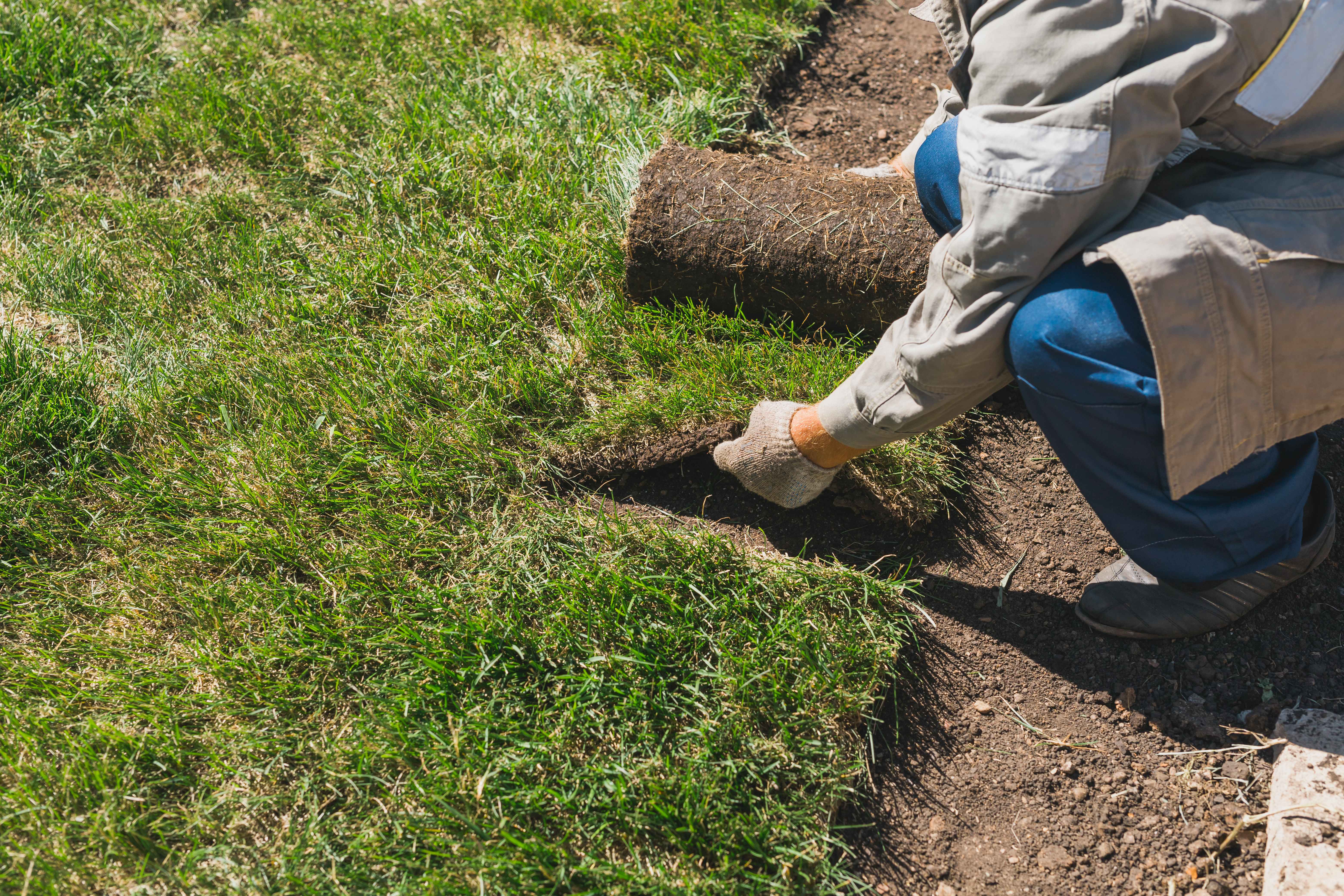
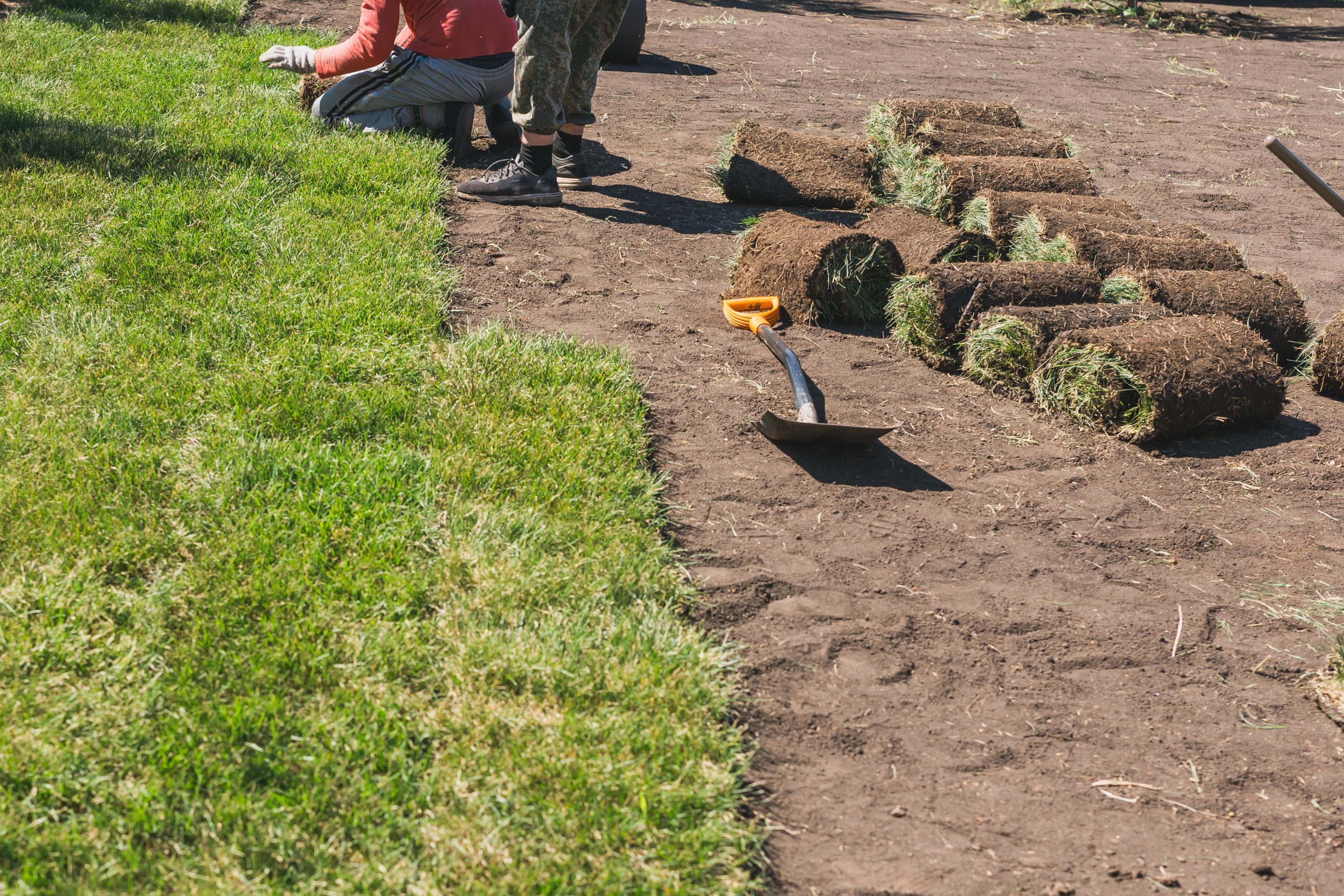
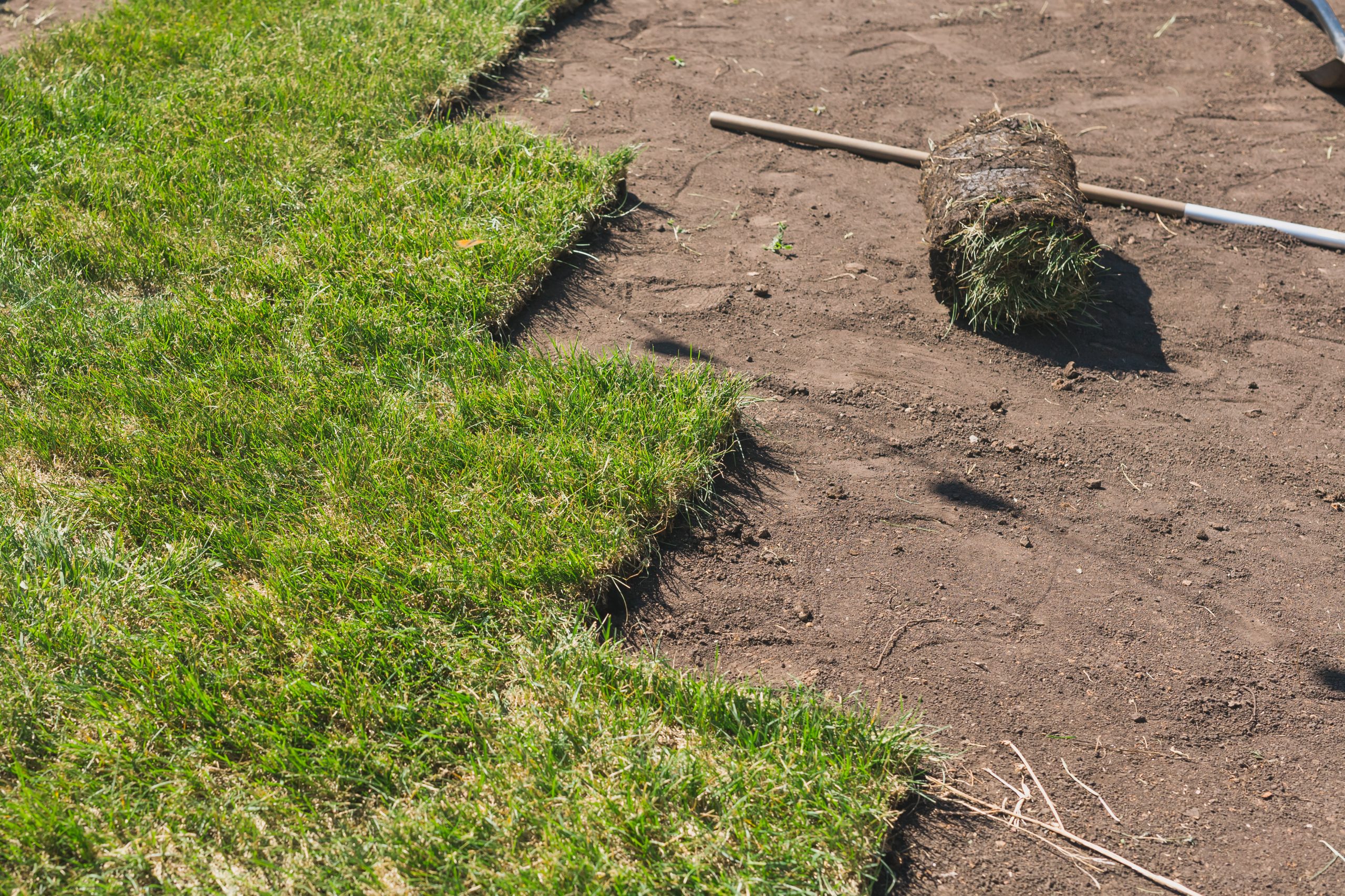
Sod installation looks straightforward from the outside — rolls of grass go down, you water it, done. But the installations that fail almost always fail for the same reason: the ground wasn’t ready before the sod arrived.
A proper sod installation starts with understanding what you’re working with. That means evaluating the grade, checking drainage, and assessing the soil composition before any sod is ordered. If the soil is heavily compacted or has drainage issues — both very common in Mecklenburg County — those problems need to be addressed first. Laying sod over poor drainage doesn’t fix the drainage; it just hides it temporarily while the roots sit in standing water.
Once the soil is prepared, variety selection matters. Not all sod is the same, and the right choice depends on how much sun your lawn gets, how much foot traffic it sees, and what your watering habits are likely to be. Tall fescue blends work well for mixed-sun lawns in this area. Bermuda 419 and Zoysia varieties like Empire or Palisades perform better in full-sun situations. Choosing the wrong variety for your specific conditions is another common reason lawns underperform even after a professional installation.
After the sod goes down, the establishment period is where most homeowners drop the ball. New sod needs consistent moisture for two to four weeks while roots knit into the soil below. That doesn’t mean flooding it — it means keeping the soil moist without letting it dry out between waterings. The first few weeks determine whether you end up with a lawn that lasts or one that starts pulling up at the seams by midsummer.
We walk every property before we recommend anything. If there are drainage issues, grade problems, or soil conditions that need to be corrected first, we’ll tell you — because a lawn installed on a bad foundation isn’t going to hold up, and that doesn’t serve anyone.
Professional Lawn Seeding Service in Mecklenburg County, NC: What to Expect and What to Ask
Hiring a lawn seeding service is a reasonable choice when you want the job done right and don’t have the time or equipment to do it yourself. But not all seeding services approach the work the same way, and knowing what a quality job looks like helps you evaluate who you’re hiring.
A professional lawn seeding service should start with aeration, not skip straight to seed. As mentioned earlier, aeration opens up the compacted clay soil that’s common across Mecklenburg County, creating better seed-to-soil contact and improving the conditions for germination. Seed dropped onto a hard, sealed surface without aeration has a much lower success rate — it dries out faster, gets displaced by rain, and doesn’t have the soil contact it needs to germinate consistently.
After aeration, the seeding rate matters. Under-seeding saves money upfront but produces thin, uneven results. Over-seeding wastes material and can create competition between seedlings that weakens the stand. A professional service calibrates the seeding rate to the size of the area and the condition of the existing turf.
Starter fertilizer applied at seeding time gives new seedlings a meaningful advantage. It’s formulated to support root development in the early weeks rather than pushing top growth, which is exactly what young grass needs before winter. This step is often skipped on budget jobs, and you can usually tell by how unevenly the new grass fills in.
Finally, ask about follow-up. A good seeding job comes with guidance on watering, mowing height during establishment, and what to expect over the first few weeks. The first mow on newly seeded areas should wait until the grass reaches about three to four inches — mowing too early pulls seedlings out of the ground before roots have anchored. These details aren’t complicated, but they make a real difference in the outcome.
We use our own crew for every job — no subcontractors. That means the people doing the work are the same people accountable for the result, and if something isn’t right, we’re not pointing fingers at someone else’s team.
Ready to Schedule Fall Lawn Care in Mecklenburg County?
The fall window for lawn care in Mecklenburg County is real, and it moves fast. September is the month that matters most for fescue lawns — the most common grass type in this area — and every week of delay reduces the time your new seed or sod has to establish before winter.
If your lawn has thinned out over the summer, has bare patches, drainage issues, or just never fully recovered from a previous installation, fall is the right time to address it. Not spring. Not next year. The conditions are right now, and the work done in September and early October is what determines how your lawn looks next spring and how well it holds up through next summer.
Union Landscaping and Hardscape S Corp serves Mecklenburg County, NC and the surrounding communities. We offer free estimates, respond to online quote requests within 24 to 48 hours, and handle every project with our own crew. Reach out before the season closes — we’d be glad to walk your property and give you a straight answer about what it needs.