Summary:
You searched “resodding lawn cost” because your lawn is in bad shape and you need to know what fixing it is actually going to run. Fair enough. The national averages floating around online are a starting point, but they don’t account for the specific conditions that make Mecklenburg County, NC lawns more expensive — and more complicated — than those guides let on. Charlotte’s clay soil, the grass variety decision, old lawn removal, and the difference between a contractor who preps the ground properly and one who doesn’t — all of it affects your final number. Let’s get into what you’re actually looking at.
What Does It Cost to Resod a Lawn in Mecklenburg County, NC?
Nationally, resodding an existing yard runs $1.50 to $4.00 per square foot. In Mecklenburg County, NC, local data puts most projects between $1,503 and $4,305 total, with a typical average closer to $2,904 — noticeably higher than the national midpoint. Data from roughly 1,225 completed sod projects in the Charlotte area shows a typical range of $1,479 to $2,003, though larger or more complex yards push well past that.
The gap between Mecklenburg County and the national average isn’t random. It comes down to soil prep. The heavy red clay soil common throughout the county compacts easily, drains poorly, and requires more intensive ground work before sod has any real chance of surviving. Contractors who know this budget for it. Contractors who don’t — or who skip it to sharpen their quote — are setting the project up to fail.
Why Old Lawn Removal Is the Cost Most Homeowners Forget to Budget For
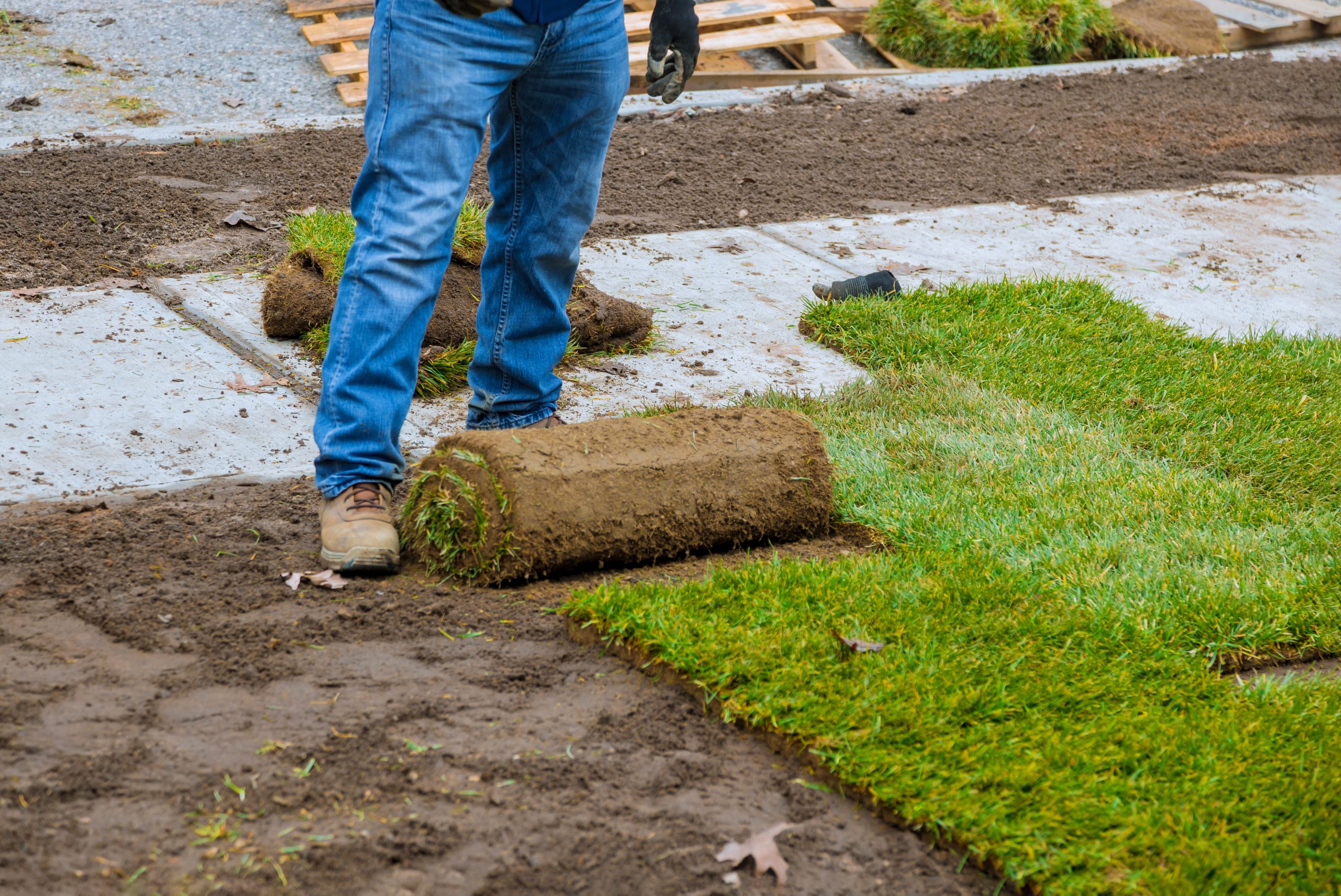
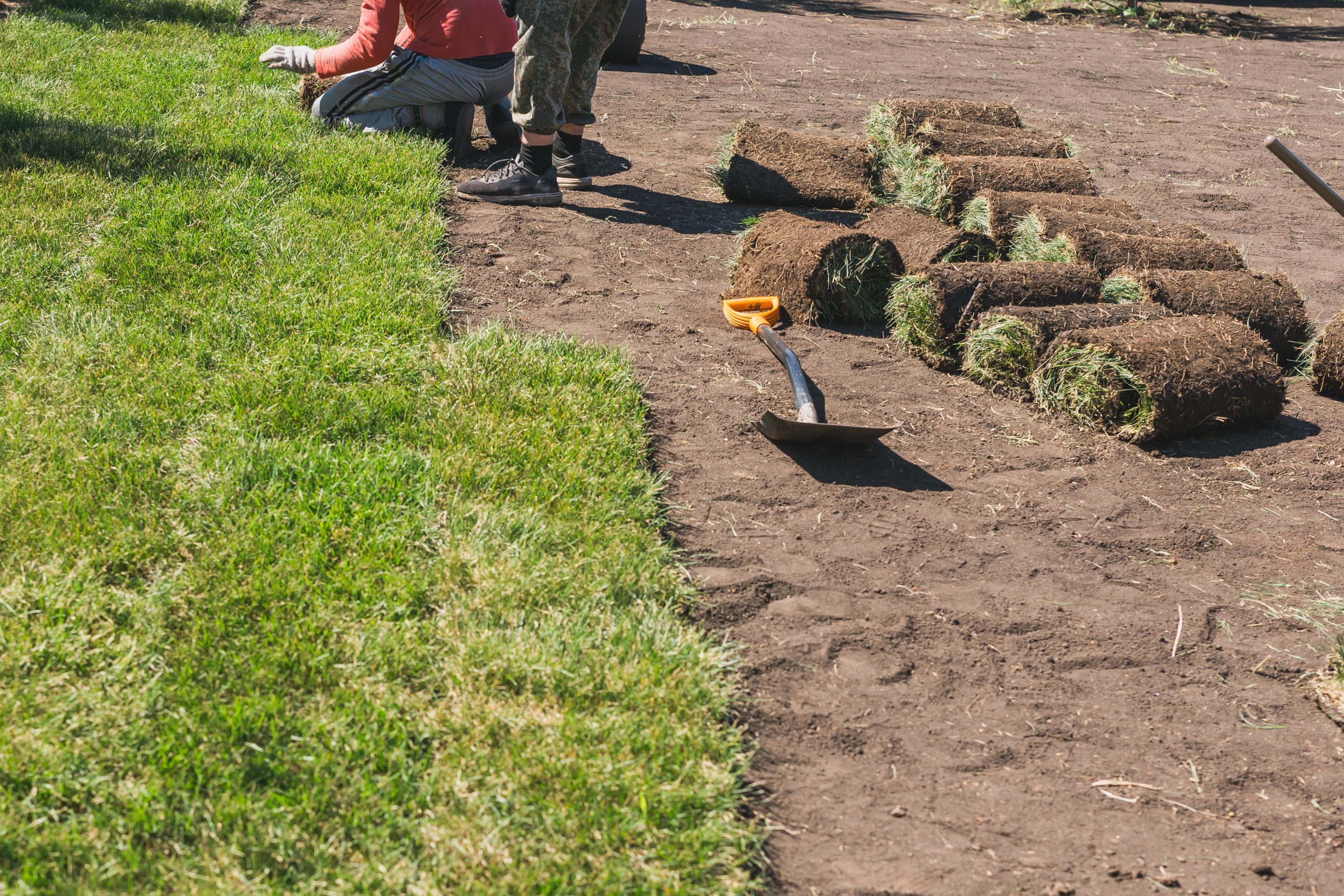
Here’s where a lot of homeowners get surprised. When you search “cost to resod a lawn,” the number you find usually assumes you’re working with bare ground. But resodding means replacing an existing lawn — and that old turf has to come out first. Removal and haul-away adds $0.50 to $2.00 per square foot to your project total. On a 2,000 square foot lawn, that’s an unbudgeted $1,000 to $4,000 before a single piece of new sod hits the ground.
Some contractors bury this in the fine print. Others don’t mention it at all until they’re on-site. A detailed, itemized estimate should break out removal separately from materials and labor so you can see exactly what you’re paying for and why. If a quote comes back as a single number with no breakdown, that’s worth asking about before you sign anything.
Laying new sod directly over existing grass is generally a bad idea. Dead and dying turf underneath the new sod prevents root contact with the soil, and the new grass has nowhere to anchor. Most reputable installers won’t do it — not because they’re being difficult, but because they know it fails. The removal step isn’t padding the invoice. It’s what makes the installation actually work.
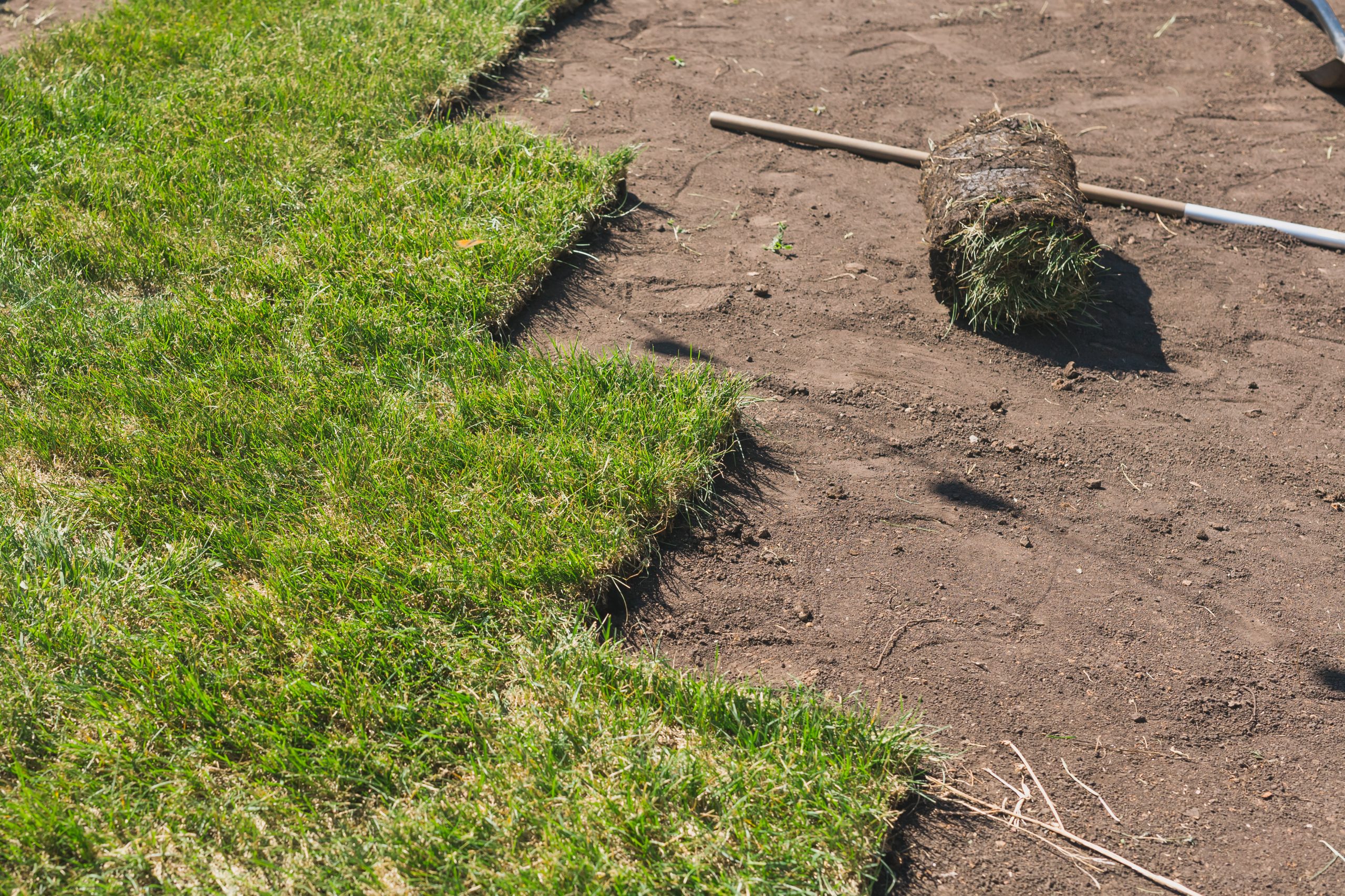
Beyond removal, the other major cost variable is soil preparation. Tilling 3 to 6 inches deep, grading for drainage, and amending the soil based on a pH test are all part of what separates a sod installation that lasts from one that browns out in its first summer. In Mecklenburg County, NC, where the clay soil can turn into a compacted, waterlogged slab without proper prep, skipping these steps isn’t a shortcut — it’s a gamble with your money.
How Grass Type Affects Your Resodding Cost in Mecklenburg County
Mecklenburg County, NC sits in what’s called the transition zone — a climate band where neither warm-season nor cool-season grasses perform perfectly year-round. That creates a real decision for homeowners here, and getting it wrong is one of the most common reasons people end up resodding twice.
For most of the county, warm-season grasses are the practical choice. Bermuda and Zoysia both handle Charlotte’s hot, humid summers well, go dormant in winter, and recover reliably in the spring. Bermuda is more aggressive and fills in quickly. Zoysia is denser and more shade-tolerant, which matters in older neighborhoods with established tree canopy. Both are widely available and commonly installed throughout the area.
Tall fescue is the other option — a cool-season grass that stays green through winter but struggles in the peak of a Mecklenburg County summer. Some homeowners choose it specifically because they want a green lawn in December. That’s a reasonable preference, but it comes with higher maintenance demands and more vulnerability to summer heat stress, especially in a yard that isn’t irrigated well.
The cost difference between grass varieties is real but not enormous — sod material runs roughly $0.35 to $0.85 per square foot depending on variety and quality grade. The bigger financial risk is choosing the wrong variety for your yard’s conditions: sun exposure, soil drainage, how much shade you have, and how much maintenance you’re actually willing to do. A contractor who asks those questions before recommending a grass type is doing their job. One who installs whatever they have available that week is not.
Timing matters here too. Spring is peak demand season, which means higher prices and busier schedules. Early fall is another solid installation window in Mecklenburg County — moderate temperatures help new roots establish before winter. And February, which surprises most people, is actually a viable time to lay sod in this area. Daytime temperatures average 39 to 60°F, which allows root development before summer heat arrives, and off-peak scheduling often means better contractor availability.
Want live answers?
Connect with a Union Landscaping and Hardscape expert for fast, friendly support.
When New Sod Dies: Who's Actually Responsible?
This is the question that almost nobody answers directly, and it’s the one that matters most to homeowners who’ve been through a failed sod installation before. If the grass dies after the job is done, is that on the contractor or on you?
The honest answer is: it depends on where the failure started. And understanding that distinction is the difference between knowing what to demand from a contractor and knowing what you’re responsible for after they leave.
What the Contractor Is Responsible For — and What You're Not
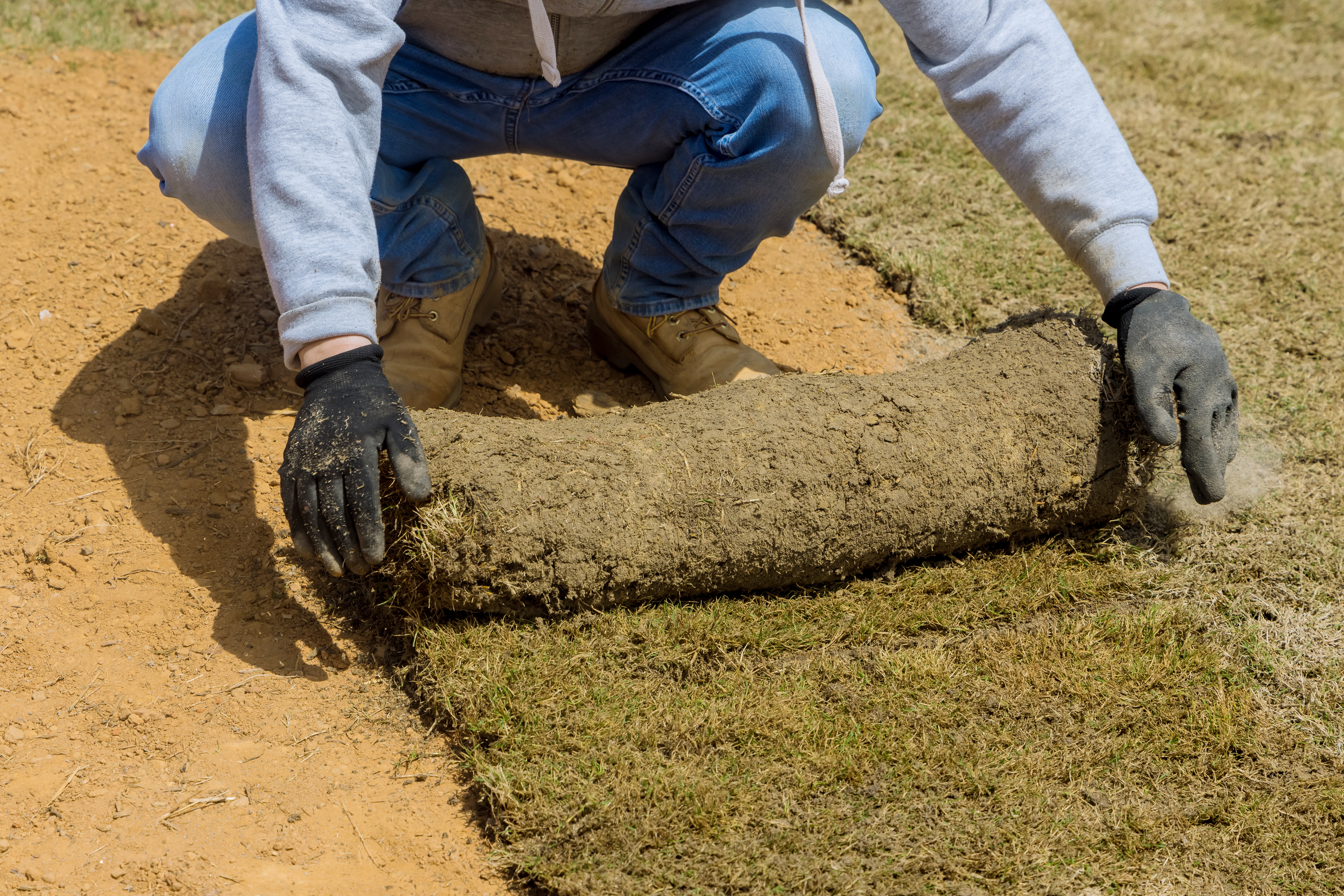
A contractor’s responsibility ends — and begins — with the installation itself. That means proper soil preparation, correct grading, tight sod seams with no gaps, firm contact between the sod and the soil underneath, and immediate watering after the final piece goes down. If any of those steps are skipped or done poorly, the failure traces back to the installation. Sod that lifts at the edges, develops dead patches in a grid pattern, or fails unevenly across the lawn is often telling you something went wrong during the prep or installation phase.
But here’s what homeowners don’t always hear: the two weeks after installation are almost entirely your responsibility. New sod needs consistent, frequent watering to establish roots — typically multiple times a day for the first week, tapering off in the second. Missing that window, especially during a warm stretch in a Mecklenburg County summer where temperatures can push into the 90s, is one of the most common reasons newly installed sod fails. The contractor laid it correctly. The roots just never had a chance to anchor.
This is why a good contractor gives you a written watering schedule before they leave — not as a formality, but because they know how easily new sod can be lost to underwatering. If your contractor didn’t provide one, that’s worth asking about. And if they provided one and you followed it and the sod still failed, that’s a different conversation — one worth having directly with whoever did the installation.
The first mow timing also matters more than most people realize. Mowing too early, before the roots have established, can pull the sod right off the soil. A general rule is to wait until the grass reaches about 3 to 4 inches and you can’t easily lift the edge of a piece — usually 2 to 3 weeks after installation, depending on conditions.
In Mecklenburg County, NC, the clay soil adds another layer to this. Even properly installed sod can struggle if the underlying drainage issues weren’t addressed during prep. Yards that pool water after rain, or that dry out to a concrete-hard surface in summer, put new sod under stress that has nothing to do with watering habits. If your previous lawn failed and you’re not sure why, that’s worth investigating before you invest in a new installation.
What to Ask Before You Hire a Sod Installer in Mecklenburg County, NC
The cost to resod a lawn is only part of the equation. Who does the work — and how — determines whether that investment holds up or ends up being a down payment on a second installation.
A few things worth asking any contractor before you commit: Will they do a soil test, or at minimum assess the existing soil conditions before recommending a grass type? What does their soil prep process actually include — tilling depth, grading, amendments? Will they provide an itemized estimate that breaks out removal, materials, labor, and prep separately? And who specifically will be on-site doing the work?
That last question matters more than it might seem. In a category where it’s common for a company to quote the job and then send a subcontracted crew to do it, you want to know whether the person who assessed your yard is connected to the crew laying the sod. When the same team handles the project from start to finish, accountability stays in one place. If something goes wrong, there’s no ambiguity about who to call.
It’s also reasonable to ask what they recommend if the sod fails during the establishment window — not because you expect it to, but because a contractor who has a clear answer to that question is one who’s thought about it. One who deflects or gets vague is telling you something.
In Mecklenburg County, NC specifically, where HOA requirements in many neighborhoods create real urgency around lawn appearance, you also want a contractor who can give you a realistic timeline — not just a start date, but an honest estimate of when the lawn will look established enough to satisfy a compliance notice. That’s a local reality that affects how this project gets planned, and a contractor who’s worked in the area will understand it without having to be explained to.
Getting an Accurate Resodding Quote in Mecklenburg County, NC
The cost to resod a lawn in Mecklenburg County, NC is real, and it’s higher than most national guides suggest — because the soil conditions, the climate, and the grass variety decisions here are more complicated than the averages account for. What you pay will depend on your lawn’s size, what’s there now and how it comes out, what the soil needs before new sod goes down, and which grass variety actually makes sense for your yard.
What separates a project that works from one that doesn’t is rarely the sod itself. It’s the preparation, the timing, and whether the contractor doing the work understands the specific conditions they’re working with in this area.
If you’re ready to stop guessing and get a real number based on your actual yard, we at Union Landscaping and Hardscape S Corp work with homeowners across Mecklenburg County, NC and the surrounding area. We provide honest, upfront estimates before any work begins — itemized, not a single number — and we’re happy to walk you through the whole process before you commit to anything.