Summary:
If you’ve ever bought plants from a big-box store, put them in the ground, and watched them struggle through summer — you’re not alone. Most of the plants lining those garden center shelves weren’t selected for Mecklenburg County’s red clay soil, humid summers, or the specific rainfall patterns of the Piedmont. They were selected to look good in a pot.
This guide is about what actually works here. We’ll walk through the native flowers, grasses, shrubs, and trees that are built for this region — and explain how to put them together in a way that’s beautiful, low-maintenance, and genuinely suited to your yard. If you’re in the Charlotte area or anywhere in Mecklenburg County, this is the plant conversation you’ve been waiting for.
Native Garden Design for Mecklenburg County's Piedmont
Designing a native garden in Mecklenburg County isn’t about scattering wildflower seeds and hoping for the best. It’s about understanding the land you’re working with — the soil, the sun, the slope, and the drainage — and selecting plants that evolved to handle all of it without constant intervention.
The Piedmont sits in USDA Hardiness Zones 7b to 8a. That means mild winters, long hot summers, and clay-heavy soil that compacts easily and drains slowly. Once you accept those conditions instead of fighting them, plant selection gets a lot easier. Native plants don’t just tolerate these conditions — they’re adapted to them. That’s the whole point.
A well-designed native garden can look just as intentional and polished as any traditional landscape. The difference is what happens in year two, three, and five — when non-native ornamentals need constant watering and replacement, and your native plantings are filling in, deepening their roots, and asking almost nothing of you.

North Carolina Native Plants Worth Knowing Before You Plant Anything
North Carolina is home to an extraordinary range of native plants across three ecological regions — the Mountains, the Piedmont, and the Coastal Plain. Mecklenburg County sits squarely in the Piedmont, which means your plant palette is specific. What thrives in Asheville won’t necessarily perform the same way in Charlotte, and what grows along the coast has no business being in your Monroe-area backyard.
For trees, the Flowering Dogwood *(Cornus florida)* is the obvious starting point — it’s North Carolina’s state flower and a genuinely stunning small tree that handles Piedmont clay well. Eastern Red Cedar *(Juniperus virginiana)* is another native that often gets overlooked because it’s so common, but it’s one of the most wildlife-valuable trees you can plant. American Holly *(Ilex opaca)* gives you year-round structure and winter berries that birds love.
For shrubs, Oakleaf Hydrangea *(Hydrangea quercifolia)* is hard to beat — it tolerates shade, handles clay soil, and puts on a show from late spring through fall with its dramatic white blooms and peeling bark. Virginia Sweetspire *(Itea virginica)* is another standout, offering fragrant summer flowers and brilliant fall color. American Beautyberry *(Callicarpa americana)* is almost comically ornamental in fall, with clusters of bright purple berries that look almost artificial.
For groundcover and borders, native ferns — particularly Cinnamon Fern *(Osmunda cinnamomea)* and Christmas Fern *(Polystichum acrostichoides)* — are reliable shade performers that fill in beautifully under trees where grass refuses to grow. Buttonbush *(Cephalanthus occidentalis)* is worth mentioning for any low or wet area of your yard, since it thrives in the kind of soggy spots that defeat most other plants.
The Southern Piedmont Chapter of the NC Native Plant Society is a tremendous local resource if you want to go deeper — and the Mecklenburg County Herbarium at Reedy Creek Nature Center is one of the most underutilized gems in the county for anyone serious about understanding what belongs here.
Native Wildflowers NC That Bloom From Spring Through Fall
One of the biggest misconceptions about native wildflowers is that they’re a one-season show. In Mecklenburg County, you can design a planting that carries color and texture from March through November if you choose your species thoughtfully.
Spring starts with Carolina Jessamine *(Gelsemium sempervirens)*, the fragrant yellow vine that climbs fences and walls across the Piedmont. If you’ve walked or biked the Little Sugar Creek Greenway in Charlotte, you’ve seen it growing wild along the corridor between Elizabeth Avenue and 7th Street — a living example of how beautiful a native vine can be in a designed landscape context. Eastern Columbine *(Aquilegia canadensis)* is another spring standout, with delicate red and yellow blooms that hummingbirds find irresistible.
Summer is when the Piedmont’s native wildflowers really hit their stride. Purple Coneflower *(Echinacea purpurea)* is probably the most recognizable — tough, drought-tolerant, and beloved by bees, butterflies, and goldfinches alike. Black-eyed Susan *(Rudbeckia hirta)* blooms alongside it in golden waves that look intentional even in naturalistic plantings. Cardinal Flower *(Lobelia cardinalis)* brings a jolt of red to moist, partially shaded spots and is one of the most reliable hummingbird plants in the Southeast.
As summer transitions to fall, Blazing Star *(Liatris spicata)* sends up tall purple spikes that monarchs and swallowtails can’t resist. Goldenrod *(Solidago spp.)* — often blamed for hay fever that’s actually caused by ragweed — is one of the most ecologically important native plants in North Carolina, supporting over 100 species of native bees. Joe Pye Weed *(Eutrochium purpureum)* closes out the season with mauve flower clusters that attract late-season pollinators before the first frost.
Designing with bloom succession takes some planning, but it’s exactly the kind of work we do before a single plant goes in the ground. A yard with four seasons of color isn’t an accident — it’s a design decision made early.
Want live answers?
Connect with a Union Landscaping and Hardscape expert for fast, friendly support.
Native Pollinator Plants North Carolina and Why Mecklenburg Homeowners Are Planting Them
Pollinator gardening has moved well past trend status in the Charlotte area. The City of Charlotte actively supports pollinator habitat creation through its General Services Landscape Management department, and homeowners can register their pollinator gardens as part of the program. That kind of local government backing reflects something real — people here care about what their yards are doing beyond looking good from the street.
The good news is that native pollinator plants and beautiful garden design are not in conflict. Butterfly Milkweed *(Asclepias tuberosa)* is one of the most visually striking plants you can put in a sunny border — and it’s the only host plant for monarch butterfly larvae. Passionflower *(Passiflora incarnata)*, also called Maypop, produces exotic-looking blooms and is the host plant for the Gulf Fritillary butterfly. Wild Bergamot *(Monarda fistulosa)* brings lavender-pink flowers and a fragrance that draws bees from a remarkable distance.
A professionally installed pollinator garden looks intentional, grows with purpose, and requires far less maintenance than a traditional ornamental bed once it’s established. We design these plantings to work with Mecklenburg County’s specific climate and soil conditions, ensuring that your pollinator garden thrives year after year.

Perennials are the backbone of any low-maintenance garden design, and the Piedmont has a strong roster to draw from. The key is selecting varieties that can handle both the summer heat and the occasional cold snap that Zone 7b brings in January and February.
Purple Coneflower and Black-eyed Susan are the workhorses — they come back reliably every year, spread gradually to fill gaps, and require almost no intervention once established. But there’s a deeper bench worth exploring. Blazing Star *(Liatris spicata)* grows from corms that overwinter easily in Mecklenburg County’s climate and sends up tall spikes that add vertical interest to any planting. Rudbeckia varieties beyond the standard Black-eyed Susan — including Rudbeckia fulgida ‘Goldsturm’ — are particularly well-suited to the Piedmont’s summer conditions and bloom for months.
For shaded areas, Wild Blue Phlox *(Phlox divaricata)* is a spring-blooming native that spreads into a soft groundcover under deciduous trees. Green-and-Gold *(Chrysogonum virginianum)* is another shade-tolerant native perennial that Charlotte-area gardeners have been using as a lawn alternative in difficult spots for years — it stays low, spreads steadily, and blooms in yellow from spring into fall.
The advantage of going native with your perennials isn’t just ecological. It’s practical. These plants evolved in the same clay soil and humidity you’re dealing with in Mecklenburg County. They don’t need amended beds, synthetic fertilizers, or regular pest treatments to perform. A well-chosen native perennial planting can look better in year three than it did in year one — which is the opposite of what most non-native ornamentals do.
One thing worth noting: plant spacing matters more than people realize at installation time. Native perennials fill in, and a bed that looks sparse in spring of year one will look full and intentional by summer of year two if it was designed with that growth in mind. Rushing to fill gaps with non-natives is one of the most common mistakes we see, and it usually creates more work, not less.
Shrubs do a lot of the structural work in a landscape — they define spaces, provide privacy, anchor planting beds, and offer multi-season interest without demanding much in return. In Mecklenburg County, the best shrubs are almost always native ones, for the same reasons that apply to perennials: they know this soil, they know this climate, and they’ve been managing without your help for a very long time.
Oakleaf Hydrangea is one of the most versatile native shrubs in the Piedmont. It handles part shade gracefully, produces large white flower heads in early summer that fade to parchment by fall, and has exfoliating bark that provides winter interest when everything else has gone dormant. It’s a particularly good choice for the shaded side yards that are common in Charlotte’s older neighborhoods.
Inkberry Holly *(Ilex glabra)* is an underused gem for wet or low-lying areas. It stays evergreen, produces small black berries that birds eat through winter, and tolerates the kind of soggy conditions that defeat most shrubs. If you have a drainage problem in a planting bed — and many Mecklenburg County homeowners do — Inkberry is one of the few shrubs that will actually thrive there rather than slowly decline.
Virginia Sweetspire *(Itea virginica)* is worth planting for the fall color alone. It turns shades of crimson, orange, and burgundy in October and holds its leaves later than most native shrubs. The fragrant white flower racemes in June are a bonus. It spreads slowly by suckers, which makes it a natural choice for slopes where you want to stabilize soil without a lot of maintenance.
American Beautyberry *(Callicarpa americana)* is the shrub that stops people in their tracks in October. The magenta-purple berry clusters that line its arching branches are genuinely striking — and they’re a critical food source for mockingbirds, robins, and other birds preparing for winter. It dies back hard in a cold winter but comes back reliably from the roots in Zone 7b.
For the Mecklenburg County homeowner who wants year-round structure, a combination of evergreen shrubs like Inkberry and Wax Myrtle *(Morella cerifera)* with deciduous bloomers like Virginia Sweetspire and Beautyberry creates a planting that has something to offer in every season — without the maintenance burden of a traditional mixed border.
Growing Grass in North Carolina and Sod Installation for Mecklenburg County
Grass is often the largest living surface in a Mecklenburg County yard, and choosing the right variety makes the difference between a lawn that thrives and one that struggles through summer. The Piedmont’s warm-season climate calls for warm-season grasses — not the cool-season fescues that work in northern regions.
For most sunny Mecklenburg County lawns, Zoysia is the gold standard. It establishes a dense, weed-suppressing turf over time, handles drought better than Bermuda, and holds up well to the summer heat. Zoysia grass north Carolina lawns grow slowly at first, but once established, they require less water and maintenance than most alternatives. Bermuda grass is a solid choice if you need faster coverage or have a high-traffic area — it establishes quickly and recovers fast from wear.
Both are warm-season grasses, meaning they go dormant and turn brown in winter, which surprises some homeowners who are used to cool-season fescue from other regions. That dormancy is actually a strength — it means the grass is conserving energy and preparing for spring growth rather than struggling to survive in conditions it’s not built for.
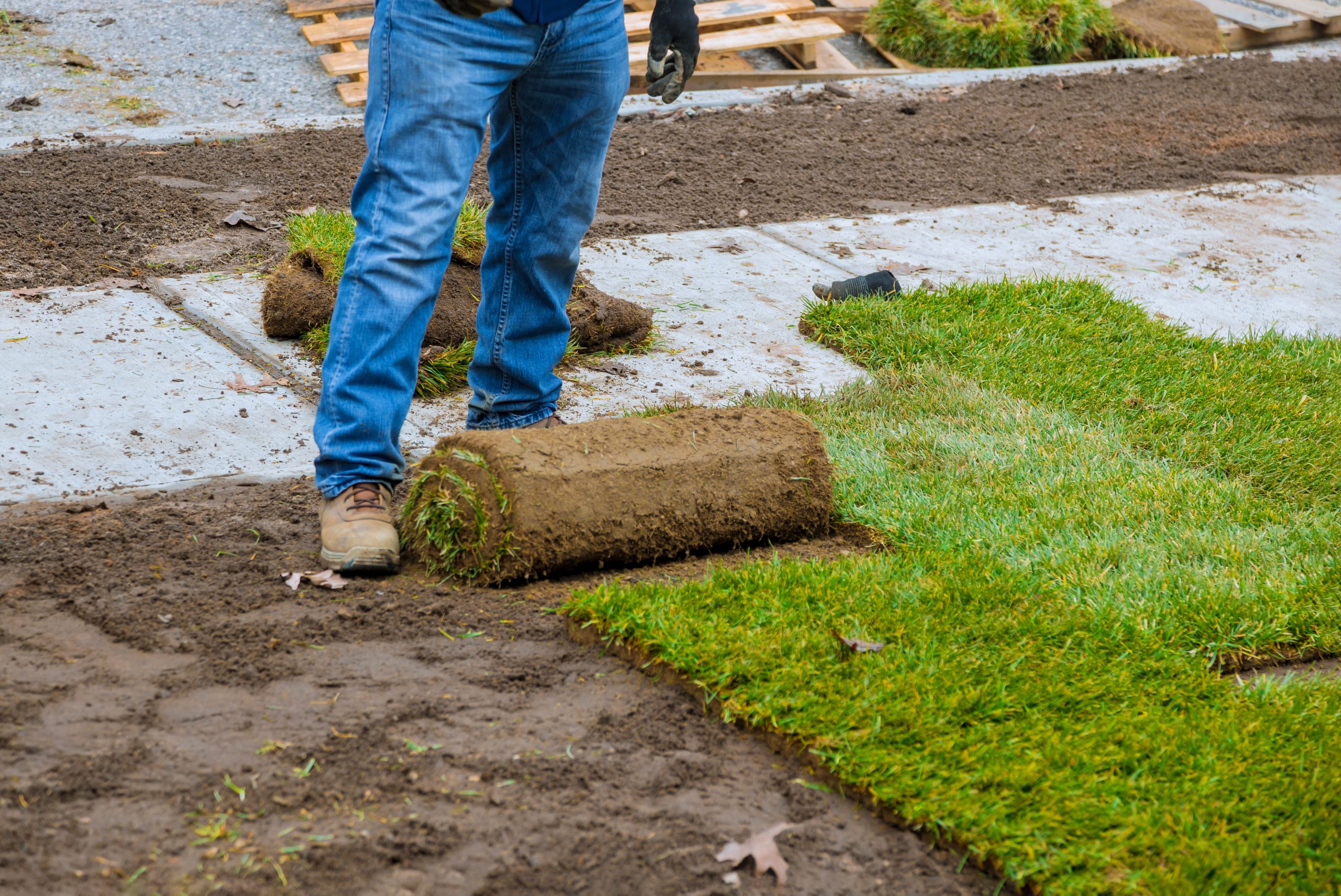
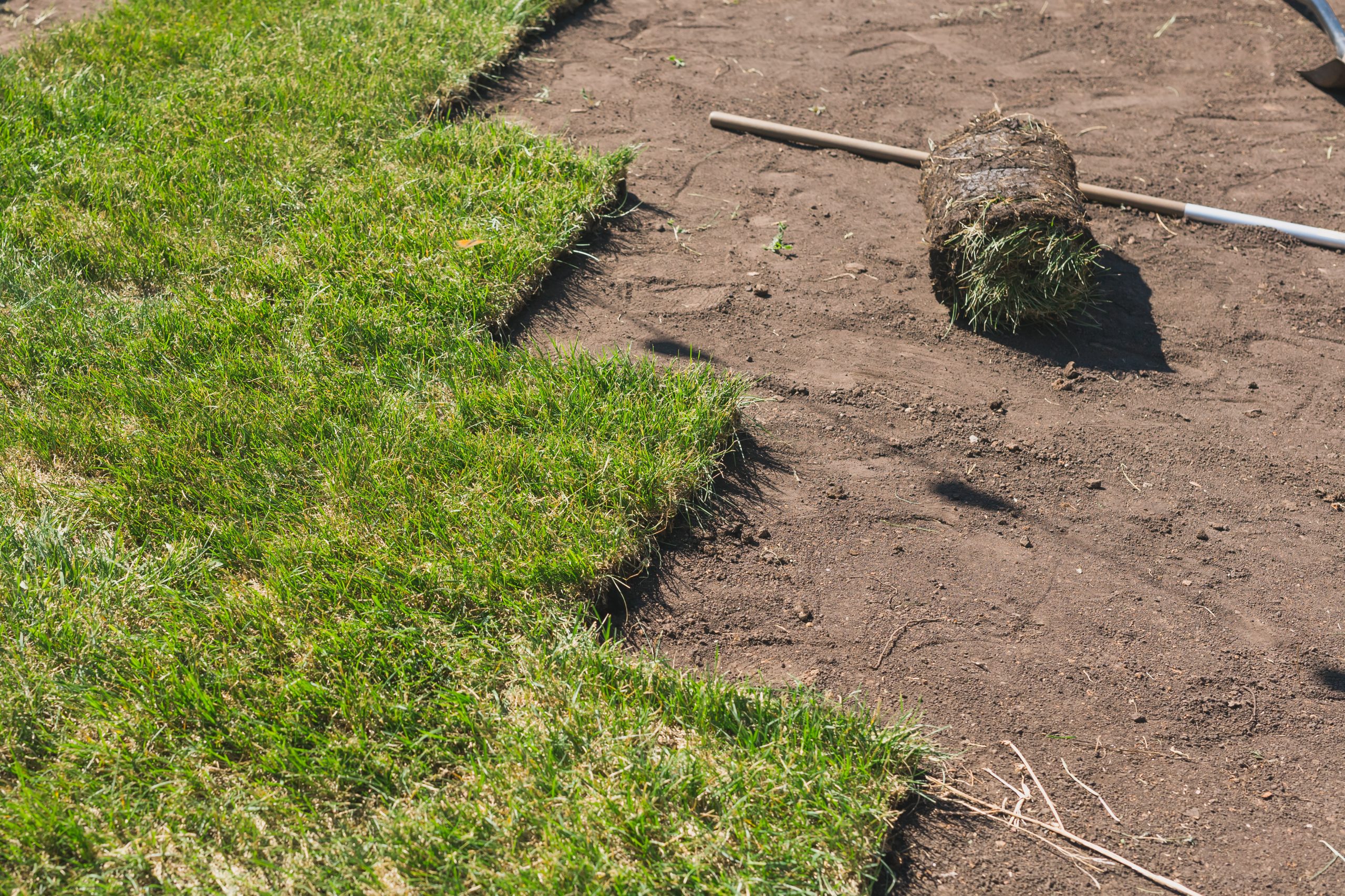
Sod installation is the fastest way to establish a new lawn in Mecklenburg County, and we handle the site prep, grading, and installation to ensure your new turf roots properly and establishes quickly. The key is getting the soil right before the sod goes down — poor drainage or compacted clay will undermine even the best quality sod.